


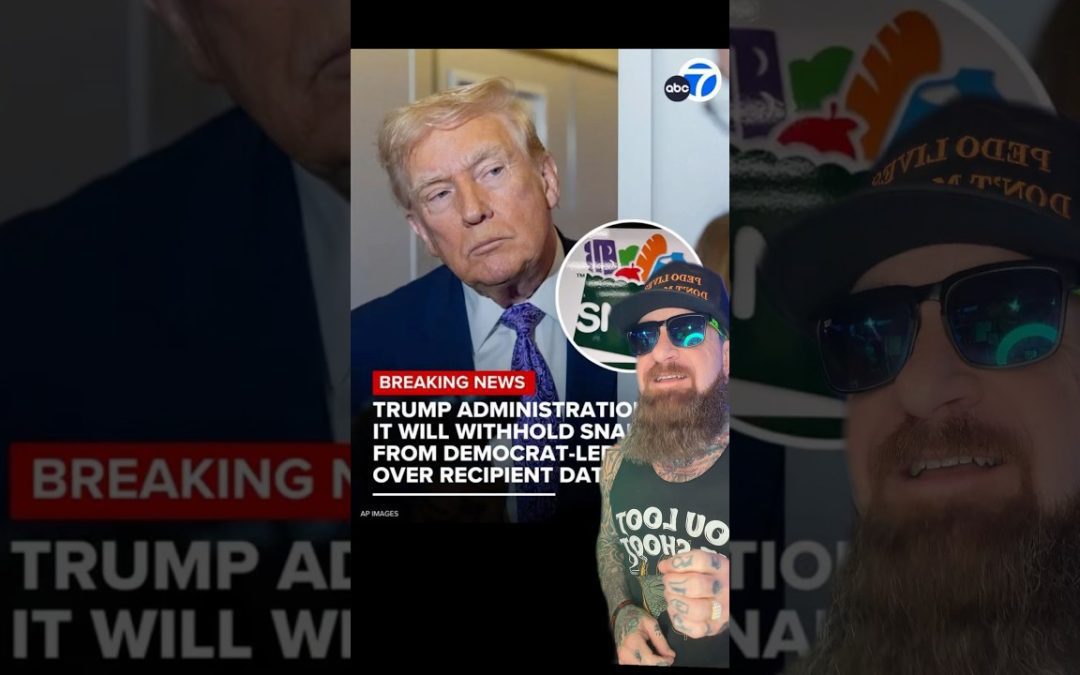
REVOKING EBT: Uncensored Rebel Take
Listen up. The debate over welfare, food assistance, and who deserves help has been sanitized, scripted, and spoon-fed to the public by institutions that profit from the spectacle. It’s time for a clearer, grittier conversation. This is about power, incentives, and the state’s role in everyday survival — not the platitudes you hear from pundits who never missed a rent payment.
If you’ve been following the headlines, you know the phrase REVOKING EBT has started to churn in conservative circles like a rallying cry. But let’s not let the slogan do the thinking for us. There are real consequences, real people, and a political theater behind it all. We’re not here to placate or sanitize. We’re here to interrogate.
REVOKING EBT: What’s really at stake?
First: what does REVOKING EBT actually mean in practice? At surface level, it’s the rollback of electronic benefits transfer — the government cards that deliver food assistance and other benefits. Sounds simple. But strip away the soundbites and you find layers.
There’s the bureaucratic muscle: rules about eligibility, surveillance mechanisms to detect “abuse,” and sprawling databases tracking purchases. There’s the corporate angle: private contractors running benefit systems, profiting from processing fees and data. There’s also the moral theater: politicians who loudly decry “welfare queens” while quietly expanding corporate welfare.
So when someone yells about REVOKING EBT, ask: who benefits? Who suffers? And who’s setting the terms of the debate?
Short answer: the poor and vulnerable get squeezed. The politically connected get safety.
People on the margins — gig workers, young parents, those between jobs — rely on EBT not as a luxury but as a bridge. Strip that bridge away and you don’t create virtue; you create desperation. Increasingly punitive rules don’t repair social fabric. They fray it.
But there’s another layer many in the mainstream ignore: the erosion of agency. EBT programs often come with strings — location tracking, purchase restrictions, and endless paperwork. The system treats recipients like subjects rather than citizens. That’s why some libertarians and civil libertarians, odd bedfellows though they are, oppose certain administrative expansions even while disagreeing about welfare itself.
Let’s be clear: acknowledging dysfunction in welfare does not mean endorsing bureaucratic cruelty. You can argue for accountability without deploying shame as a policy tool. You can push for healthier outcomes without micromanaging what citizens buy in the privacy of their kitchens.
Why is this conversation happening now? Because politics loves spectacle. REVOKING EBT is a wedge. It plays to anxieties about migration, economic insecurity, and cultural change. It distracts from corporate bailouts, tax loopholes, and the quiet expansion of the surveillance state that affects everyone, not just those on assistance.
Isn’t that the point? Keep the masses debating morality while power consolidates in back rooms. Popular anger is useful when it targets the powerless, not the powerful.
What would a principled approach look like?
– Start by decentralizing. Give communities — not distant bureaucrats — more say over how assistance is delivered. Local programs can be more responsive and less punitive.
– Simplify eligibility. The labyrinth of forms is a feature, not a bug. Complex systems create dependence on intermediaries and gatekeepers.
– Protect privacy. Any welfare system that expands data collection should be treated with suspicion. Data is power; who controls it should be questioned.
– Consider unconditional cash pilots. Evidence increasingly shows direct cash can improve outcomes without the administrative drag and paternalism of in-kind restrictions.
These aren’t utopian fantasies. They’re practical measures that prioritize human dignity and reduce perverse incentives.
Let’s also talk hypocrisy. Lawmakers who grandstand on REVOKING EBT often support subsidies and tax breaks that eclipse public assistance in scale. Corporate welfare is rarely broadcast on the evening news. The poor become a moral storyline while corporate recipients win quiet checks. If you want to be disruptive, call out both.
Finally: this is a test of our values. Will we let policy be driven by spectacle, stigma, and political theater? Or will we push for systems that respect individuals, limit state overreach, and address real need without shame?
REVOKING EBT is more than a policy position — it’s a cultural litmus test. It reveals who we are willing to punish in the name of politics and who we are willing to protect in the name of profit.
If you’re listening to Disruptarian Radio, you probably distrust easy answers. Good. Keep asking uncomfortable questions. Demand evidence. Challenge narratives that turn people into props in someone else’s agenda.
In the end, the conversation about benefits isn’t merely about efficiency. It’s about power, privacy, and principles. If we care about freedom, support for the vulnerable, and skeptical scrutiny of central authority, then the knee-jerk mantra of REVOKING EBT deserves a longer, harder look — not applause.

Spun Web Technology SMART SEO