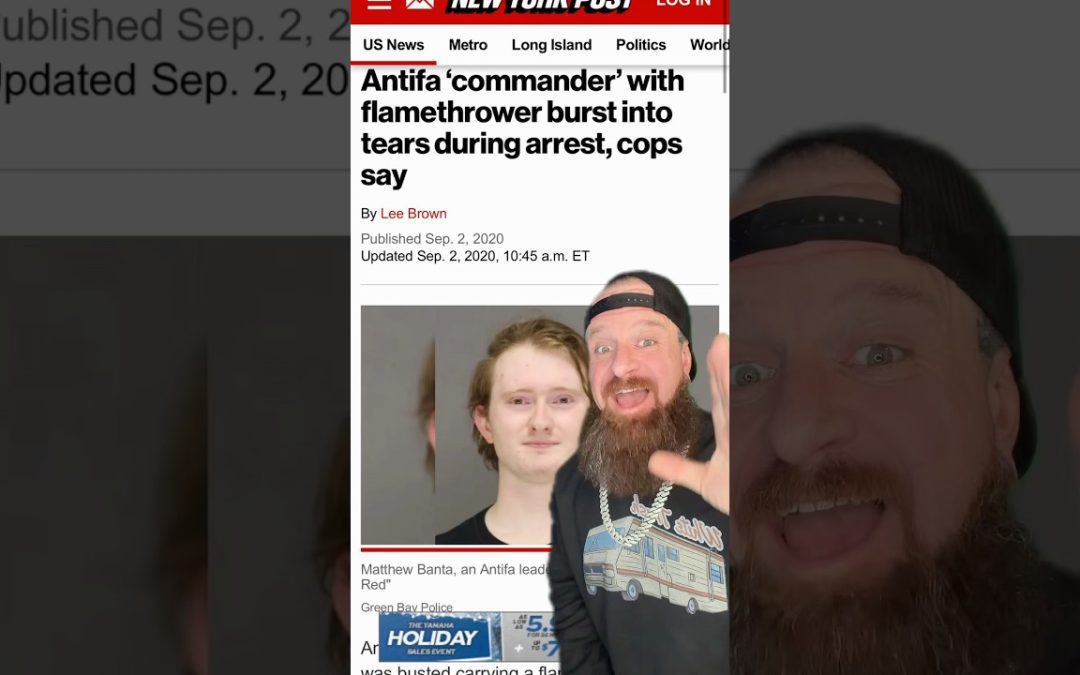
ANTIFA COMMANDER Uncensored: Rebel Dispatches
ANTIFA COMMANDER — Who’s Really in Charge?
Let’s cut through the noise. For listeners of Disruptarian Radio, the label “ANTIFA COMMANDER” isn’t just a headline; it’s a political Rorschach test. Mainstream outlets toss the term like a grenade — loud, reductive, and aimed at silencing complicated dissent. But what if we stop accepting their script? What if “ANTIFA COMMANDER” is less a title and more a panic button for institutions desperate to regain narrative control?
We live in an era where power markets fear less the actions of protesters than the idea of organized defiance. Call it mythology, call it spin: the “ANTIFA COMMANDER” is portrayed as a monolithic mastermind. The truth is messier, and far more interesting.
What the Label Hides
Labels flatten complexity. They make the unruly look coordinated, and the chaotic appear sinister. The phrase “ANTIFA COMMANDER” is weaponized to suggest a hierarchical rebellion with a clear chain of command. That feeds into familiar fears: the threat of an organized left, the fantasy of a secretive cabal pulling strings.
Reality? Most activist networks operate horizontally. Decisions are made in small cells, consensus groups, and on-the-fly coalitions. Leadership often emerges situationally, not from a single central figure issuing orders from a bunker. When the media screams about an “ANTIFA COMMANDER,” it’s rarely because they’ve uncovered actual evidence. It’s because narratives need faces to demonize.
Why does this matter? Because naming a commander creates a target. It focuses law enforcement, legal resources, and public outrage on individuals. It also sanitizes state power. If you can point to a “commander,” then crackdowns become “necessary” and civil liberties look like complicity.
The Media’s Role: Narratives, Not News
Mainstream outlets thrive on certainty. Certainty sells. So when protests happen, the media supply a tidy villain. “ANTIFA COMMANDER” fills that role perfectly — ominous, decisive, and easy to vilify.
But journalism that substitutes narrative for investigation does a disservice. It confuses reporting with theater. Where’s the follow-through? Who’s verifying claims? Too often, the story ends at the label. And the public left with a simpler, scarier version of events.
Disruptarian Radio listeners know this instinctively. You don’t just receive news — you interrogate it. You ask: who gains if this story is simplified? What else is being distracted from? The emergence of an “ANTIFA COMMANDER” story often coincides with other political moves — clampdowns on protest rights, expanded surveillance, or laws designed to criminalize dissent.
The State Loves a Villain
Power needs enemies. It legitimizes emergency measures. When politicians invoke the specter of an “ANTIFA COMMANDER,” they reframe disorder as a problem of control rather than a symptom of deeper grievances. It’s much easier to fund new policing tactics when citizens are terrified of shadowy commanders.
This is the pattern: protest, media amplification, public fear, legislative reaction. Rinse and repeat. Notice how the conversation focuses on tactics and personalities and never circles back to causes — economic inequality, systemic injustice, or the policies that drive people to the streets.
Is it naïve to think the state doesn’t exploit that cycle? Of course not. It’s realpolitik. And calling out the “ANTIFA COMMANDER” narrative is the first step toward refusing the script.
Why Real Interest Should Be in Ideas, Not Icons
If you’re committed to disruption, interrogate motivations, not mythology. Who organizes? How do tactics develop? What grievances mobilize people? Those are the questions that move us from spectacle to strategy.
When the discourse is stuck on the “ANTIFA COMMANDER,” the public conversation becomes superficial. Real movements are judged by impact, not by the sinisterness of their supposed leadership. Effective disruption doesn’t need a marquee villain; it needs clarity of purpose.
Practical Takeaways for Disruptarians
– Don’t accept labels at face value. Ask for evidence.
– Recognize that media simplification often serves political ends.
– Focus on systems and causes, not personalities.
– Protect horizontal organizing from the legal and narrative traps that single out “commanders.”
– Build resilient communication channels that can’t be easily stamped with a headline.
ANTIFA COMMANDER — Final Dispatch
So what should we take away? The “ANTIFA COMMANDER” is a narrative construct, a convenient enemy image. It’s useful for the media and useful for the state. For anyone serious about pushing real change, it’s a distraction.
Disruptarian Radio listeners are allergic to easy stories. We prefer abrasive questions to comfortable certainties. When the next “ANTIFA COMMANDER” story hits the airwaves, don’t play along. Demand nuance. Track the motives behind the headlines. And remember: insurgency isn’t a person you can arrest — it’s a set of ideas that won’t be contained by slogans or by fear.
Stay skeptical. Stay loud. Stay strategic. The label might sell papers, but it won’t win movements.

Spun Web Technology SMART SEO