
Gay marriage banned — Uncensored Outlaw Dispatch
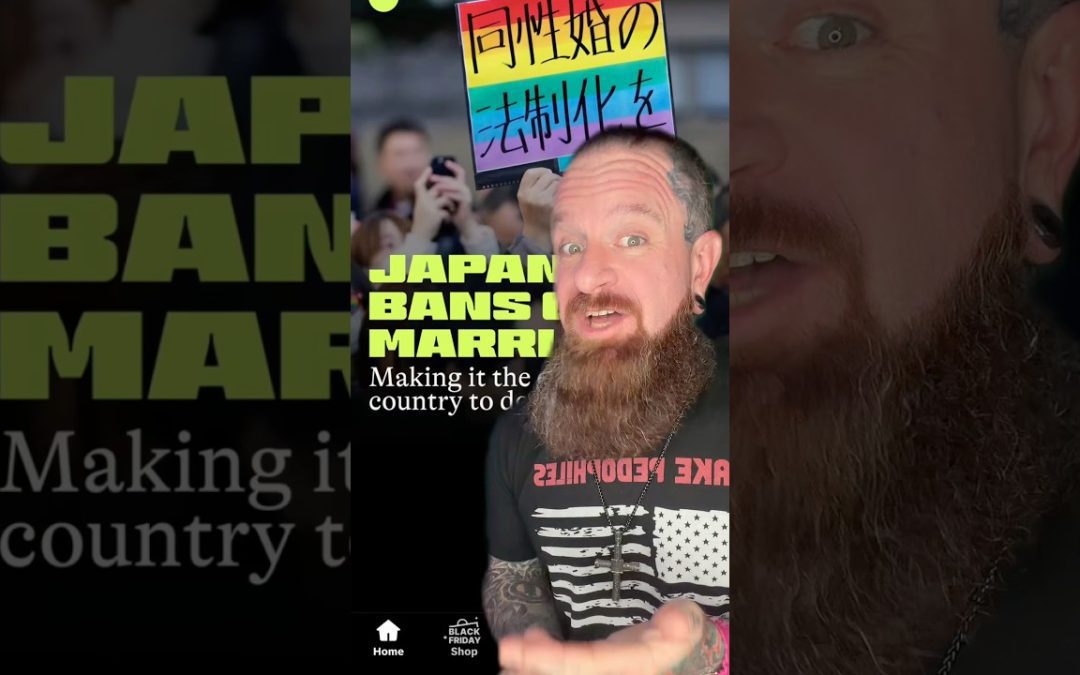
We live in a world that likes to pretend progress is linear. One step forward, two steps back — except sometimes the two steps back feel like a shove off a cliff. “Gay marriage banned.” Those three words are a grenade lobbed into public life, detonating old laws, new politics, and raw cultural fury. If you think this is just another legal skirmish, think again. This is about who gets to be free and who gets to be policed.
Let’s be blunt: the phrase Gay marriage banned is designed to provoke fear and obedience. It’s a headline that can mobilize both the most compassionate and the most reactionary. But beneath the media theatrics and court-room posturing is a much darker, quieter principle: when the state claims the power to decide which loves are legitimate, every other private decision becomes vulnerable.
Gay marriage banned — what it really means
Make no mistake: banning gay marriage is not simply about marriage. It’s a test-case for state authority over identity, association, and privacy. A ban formalizes a hierarchy — the state says one kind of relationship is worthy of legal protection while another is not. The ripple effects are immediate: inheritance, hospital visitation, adoption, taxes, and parental rights suddenly hinge on the state’s morality play.
This isn't hypothetical. Look at every place where the state intrudes into personal life. It begins with marriage, then moves to employment protections, then to the classroom, then to the medical ward. If the government can pick winners and losers among consenting adults, you should be asking: what’s next? Which relationship, hobby, or lifestyle will fall under the guillotine of legality after the next moral panic?
Ask yourself another question: who benefits from the chaos? Always follow the incentives. Political actors sharpen their knives during moral crises — collecting votes, funding, and cultural capital. Religious institutions reclaim authority in public life. Businesses adjust to new legal pressures — some refuse services, others exploit loopholes for profit. And citizens? We’re left scrambling through legal ambiguity while our personal lives become battlegrounds.
We’ve been told that laws reflect the will of the people. But when was the last time you felt consulted? Laws can equally reflect the will of special interests, vocal minorities, or cynical power plays masked as moral revival.
The hypocrisy of “public morality”
Historic attempts to ban freedoms always hide behind “public morality.” Yet, morality is not a neutral standard. It’s a social technology wielded by those who want to influence behavior. If a law protects your choices, praise it. If it forbids someone else’s choices, call it moral necessity. Convenient, right?
This moralizing conveniently ignores the messy, practical truth that consenting adults living honestly and openly harm no one. You don’t need the moral police to tell you who should marry. The state’s job should be to protect freedom — not to curate affection based on tradition or prejudice.
You’ll hear the same tired justifications: protecting children, preserving religious freedom, defending cultural values. These are emotional props to rationalize exclusion. Protecting religious freedom doesn’t mean faith-based institutions should be exempt from anti-discrimination norms when they operate in the public sphere. Preserving children’s welfare doesn’t mean denying loving households rights. These arguments are rhetorical smokescreens — useful for rallying allies, not for any coherent public policy.
Who loses when gay marriage is banned?
It’s not just LGBTQ+ couples who lose. Anyone who values freedom of association and equal treatment does. Families become vulnerable. Legal uncertainty breeds economic harm. Small-business owners get caught between conscience clauses and lawsuits. Employers face new compliance nightmares. Healthcare professionals are forced into moral triage. The net result? A society where private life is less secure and the reach of the state grows.
And what of the message? Banning gay marriage tells a generation that certain identities are second-class. It whispers—not subtly—that your love is less valuable. For a community already targeted by stigma, that whisper can become a life-altering echo.
What resistance looks like
If you’re fed up with top-down decrees over private life, resistance starts locally and personally. Support civil institutions that practice inclusion. Use your purchasing power to back businesses that refuse discrimination. Vote with clarity — prioritize candidates who defend personal liberty over cultural demagogues. Challenge the narratives in your circle. Not with lectures, but with tough questions: Why should the state have this power? Whose interests does this law serve?
Legal battles matter, yes. Strategy matters more. Litigation can win rights — but it can also be vulnerable to shifting political winds. Build social support. Normalize dissent. Make visible the everyday lives that laws would erase. If public sympathy can be marshaled, legal arguments get easier to win.
Conclusion: Gay marriage banned is a warning, not an inevitability
The headline Gay marriage banned is a flashpoint. It’s a call to attention, and for some, a call to arms. This fight is not about forcing beliefs on anyone. It’s about refusing the premise that the state should be judge and jury of love.
If you value individual liberty, equality before the law, and a smaller, less invasive state, then this moment demands clarity. Push back against moral panic. Protect the right to live quietly and proudly. Resist the normalization of exclusion.
Because when the state decides which loves are legal, we’re all a step closer to a world where the state decides everything. Who wants that? Not us. Not now.

Spun Web Technology SMART SEO