
Is AI the Lazy Way, or the Great Equalizer?

By Ryan Thompson
Every time a new tool arrives, somebody declares that civilization is finished. The cotton gin would destroy labor. Factories would erase craft. Automobiles would wreck transportation. The internet would hollow out real life. Amazon would kill commerce. Uber would kill work. Now artificial intelligence is the latest machine standing in the defendant's box.
The charges are familiar: AI is lazy. AI is slop. AI will take every job. AI lacks the human touch. Some of those criticisms are fair in specific cases. Plenty of AI output is shallow, careless, dishonest, or just plain ugly. But condemning an entire technology because people can use it badly is like condemning guitars because somebody played a bad song.
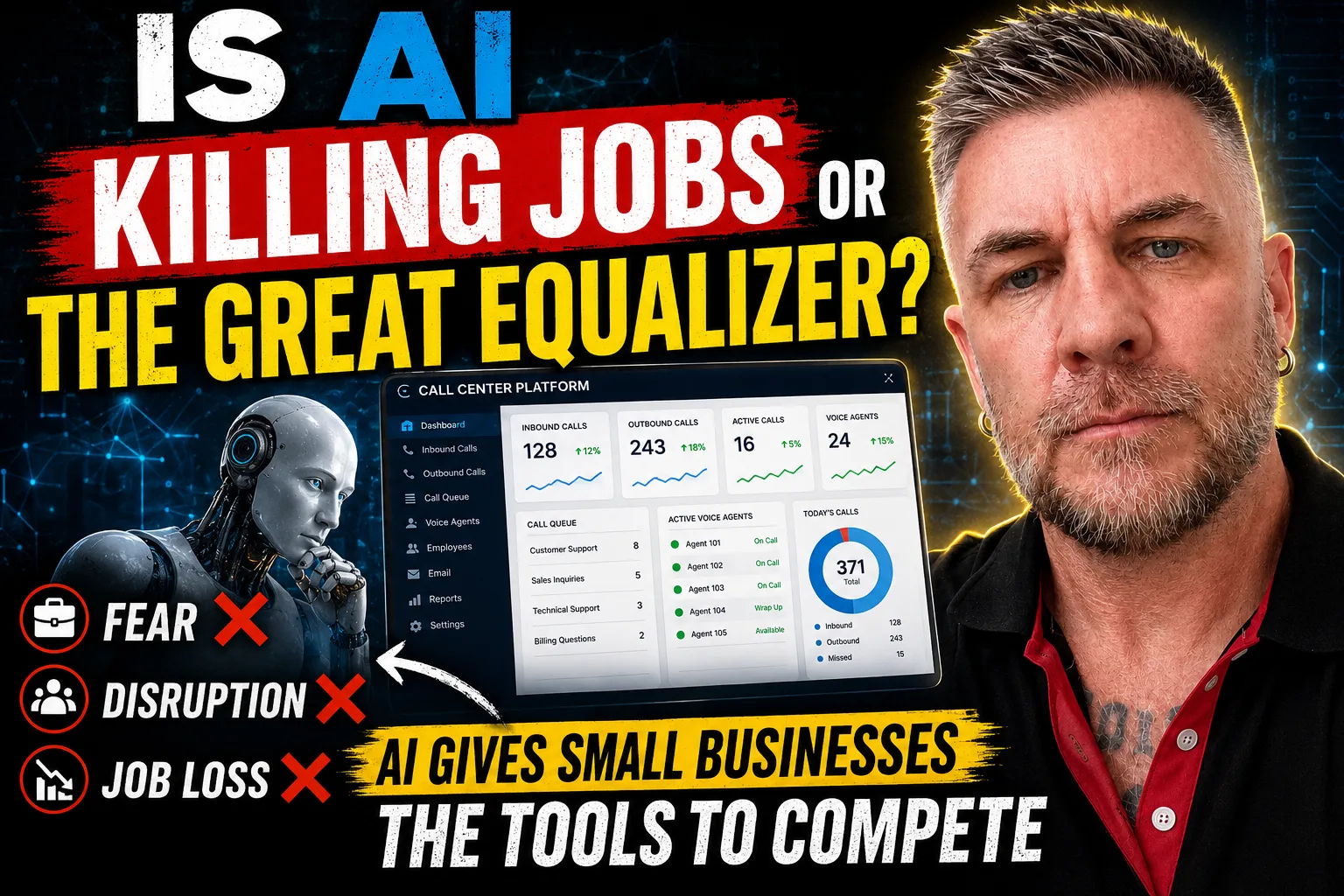
We cannot stop this technology. A prohibitionist could not stop marijuana, and a committee cannot stop machine intelligence from being developed and used. The practical choices are to complain, walk away, or engage with it and shape what it becomes. I choose engagement.
Fear Is Real, but Fear Is Not a Plan
The congressional testimony in the video captures the anxiety honestly. A lawmaker worries about an actor in his own family and asks what happens if AI makes whole professions obsolete. That concern is not ridiculous. Disruption has real victims, especially during the transition. People build lives around skills, occupations, and assumptions that can change faster than they can.
The Federal Reserve chairman's answer is more useful than either blind optimism or theatrical panic. He calls AI an enormous opportunity with real risks, then asks what it means for productivity, employment, wages, inflation, and the speed of innovation. That is the adult question. Not whether we can freeze history, but how we navigate the consequences.
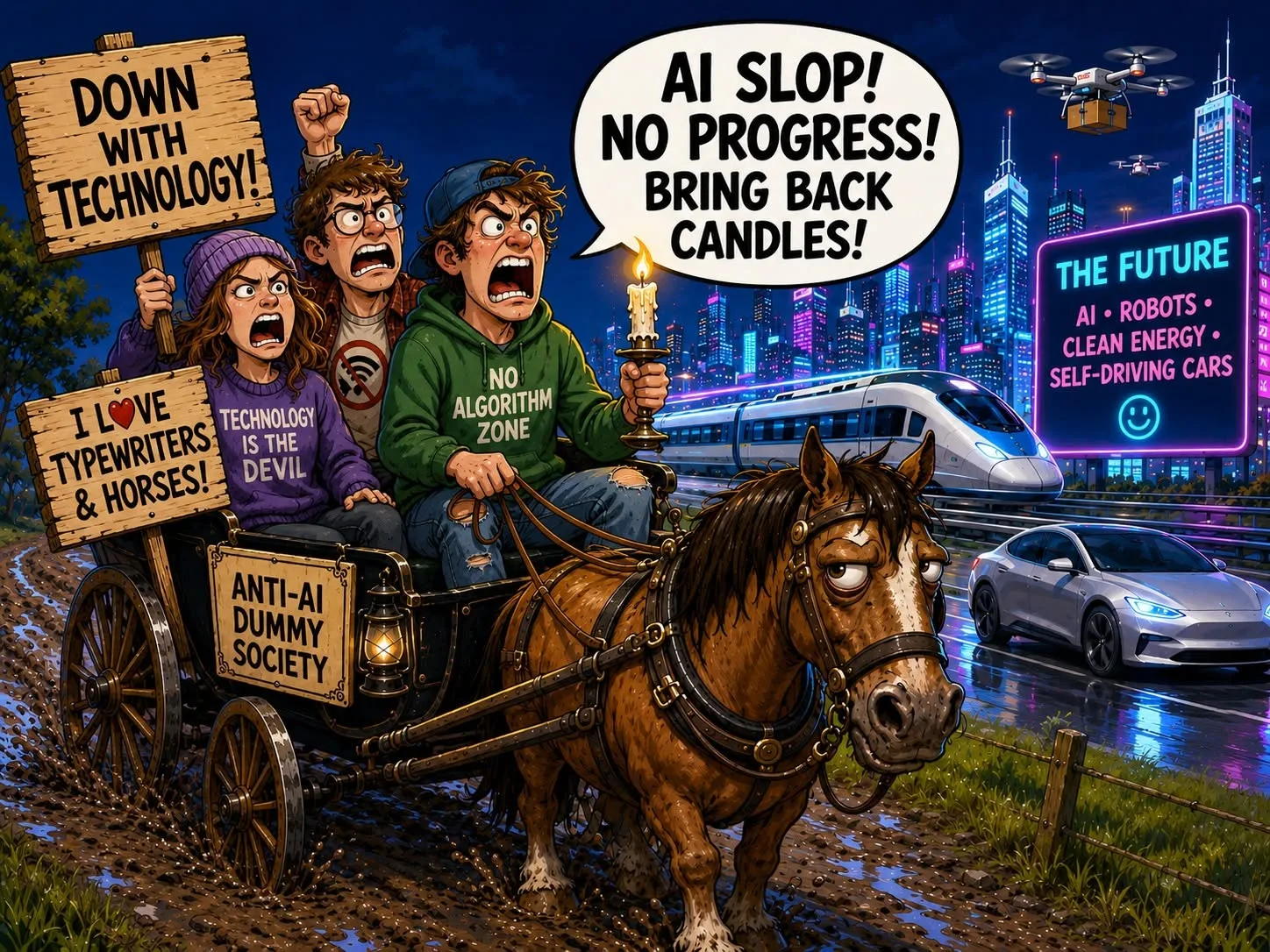
Human fear is ancient. It protects us from danger, but it can also make unfamiliar things look more dangerous than familiar failures. We tolerate systems that already exclude millions of people because those systems are old. Then we treat a new tool that challenges those arrangements as uniquely threatening.
The Great Equalizer Is Access
My interest in AI is not abstract. I have spent much of my working life around call centers. Traditionally, building a serious call-center operation required a pile of money before the first useful call was made. You needed management, callers, infrastructure, telephony, reporting, routing, email, quality controls, and technical specialists. A small operator could have a good idea and still never get through the front door.
AI changes that equation. I built a call-center platform that can create human seats, assign extensions, phone numbers, email accounts, permissions, and inbound, outbound, blended, or internal help-desk roles. It tracks production, reports queue health, and manages the operational structure expected from a much larger company. It can also assign AI voice agents into those same queues when additional capacity is needed.
That does not mean humans disappear. It means a founder can start without raising millions of dollars, surrendering control to investors, or being born into a wealthy family. The technology gives one person a reach that previously belonged only to institutions.
That is why I call AI a potential great equalizer. Capital still matters. Experience still matters. Taste, judgment, discipline, and knowledge still matter. But the price of attempting something ambitious has fallen dramatically.
Using AI Is Not the Same as Having No Skill
I started programming in 1992. I learned BASIC in sixth grade, then Visual Basic, Python, HTML, CSS, JavaScript, AJAX, Node.js, and other technologies as the web evolved. I built more than 50 websites for myself and more than 150 for customers long before modern generative AI appeared.
That history matters because AI did not suddenly provide me with curiosity, product ideas, or the ability to recognize when software is broken. It amplified skills I had already spent decades developing. It lets me move between architecture, interface design, automation, testing, writing, and deployment faster than I could by hand.
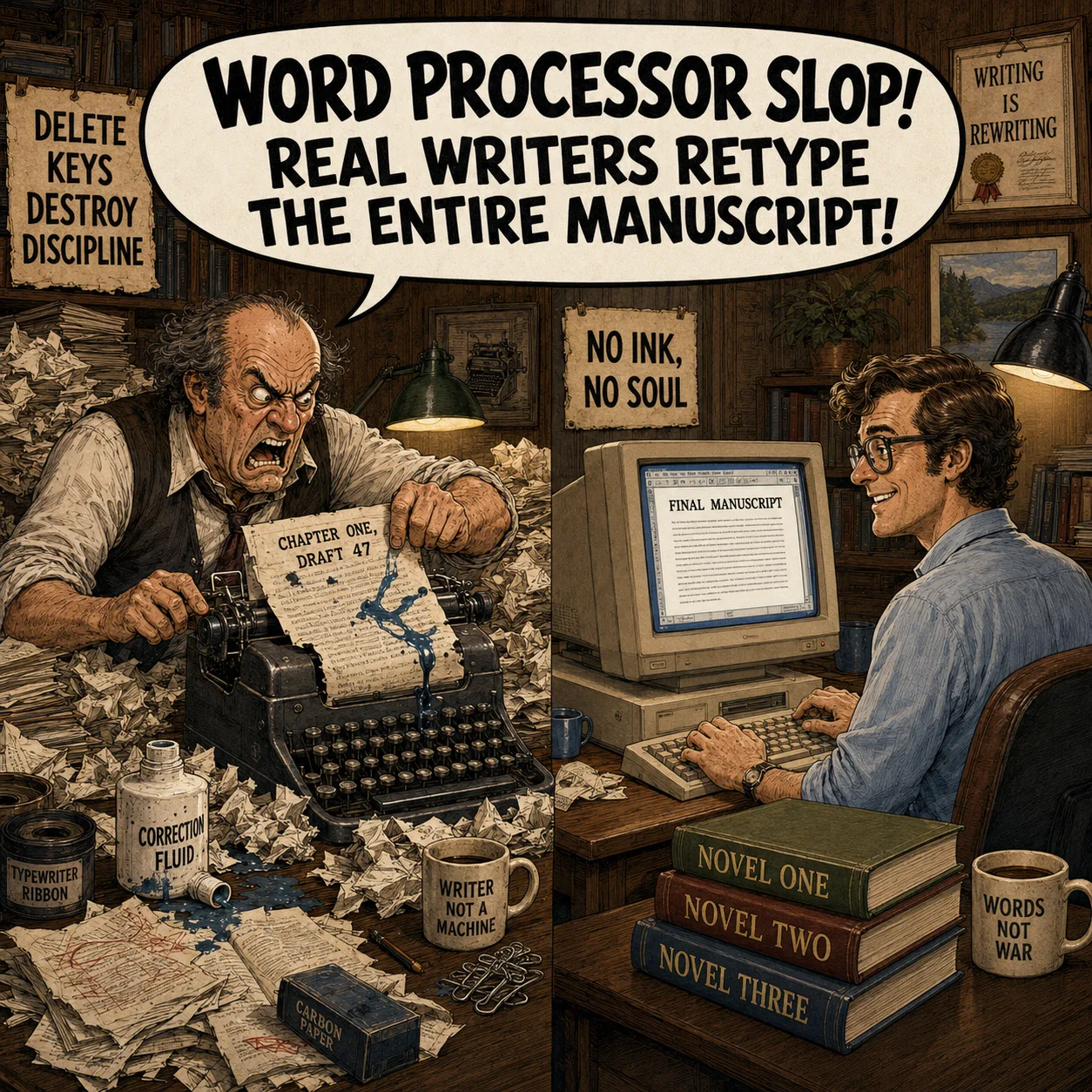
A skilled person with AI is not equivalent to an unskilled person pressing a button. The difference shows up in the questions asked, the requirements written, the errors caught, the tradeoffs understood, and the willingness to reject a bad answer. AI can generate code. It cannot relieve the operator of responsibility for what ships.
We Have Heard the Slop Argument Before
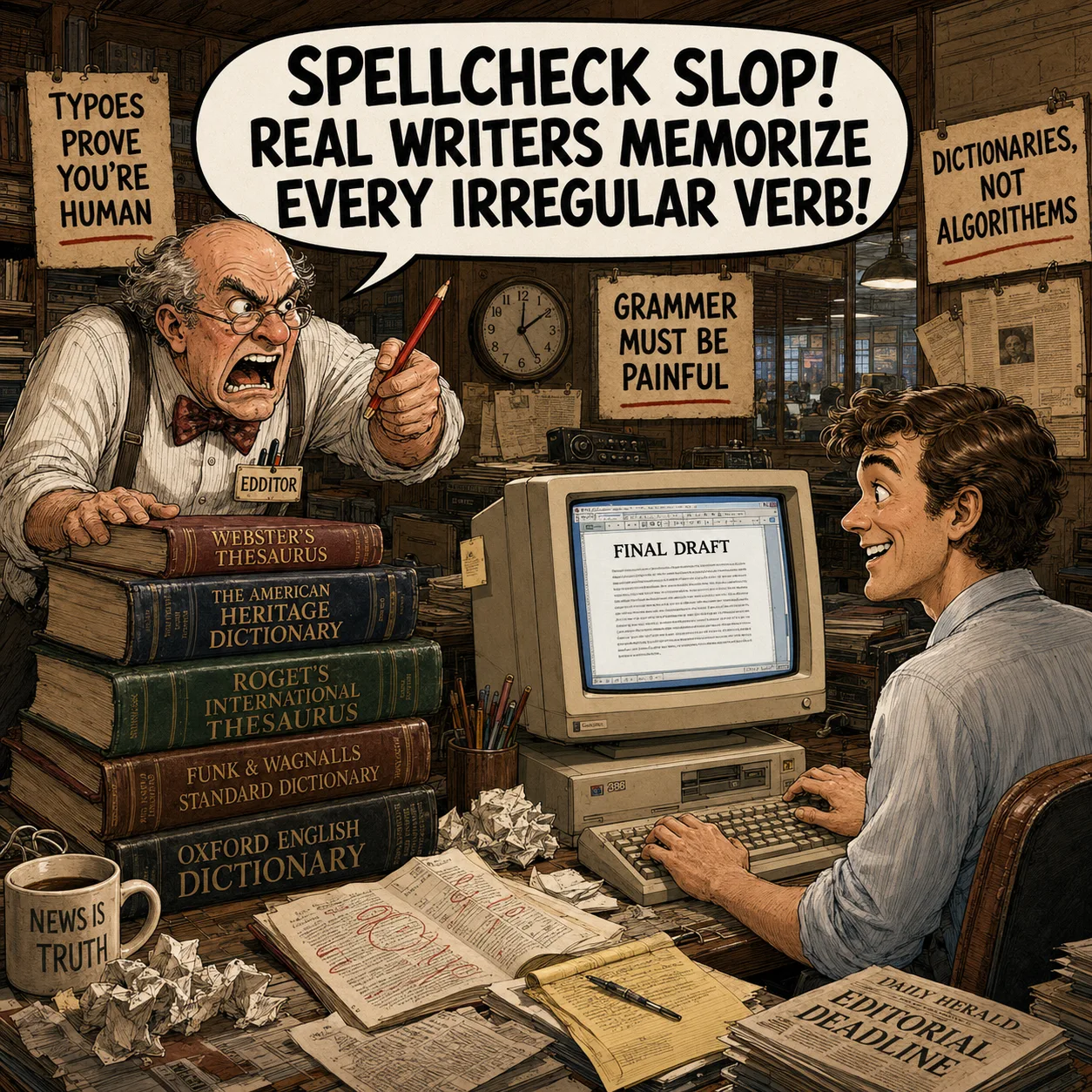
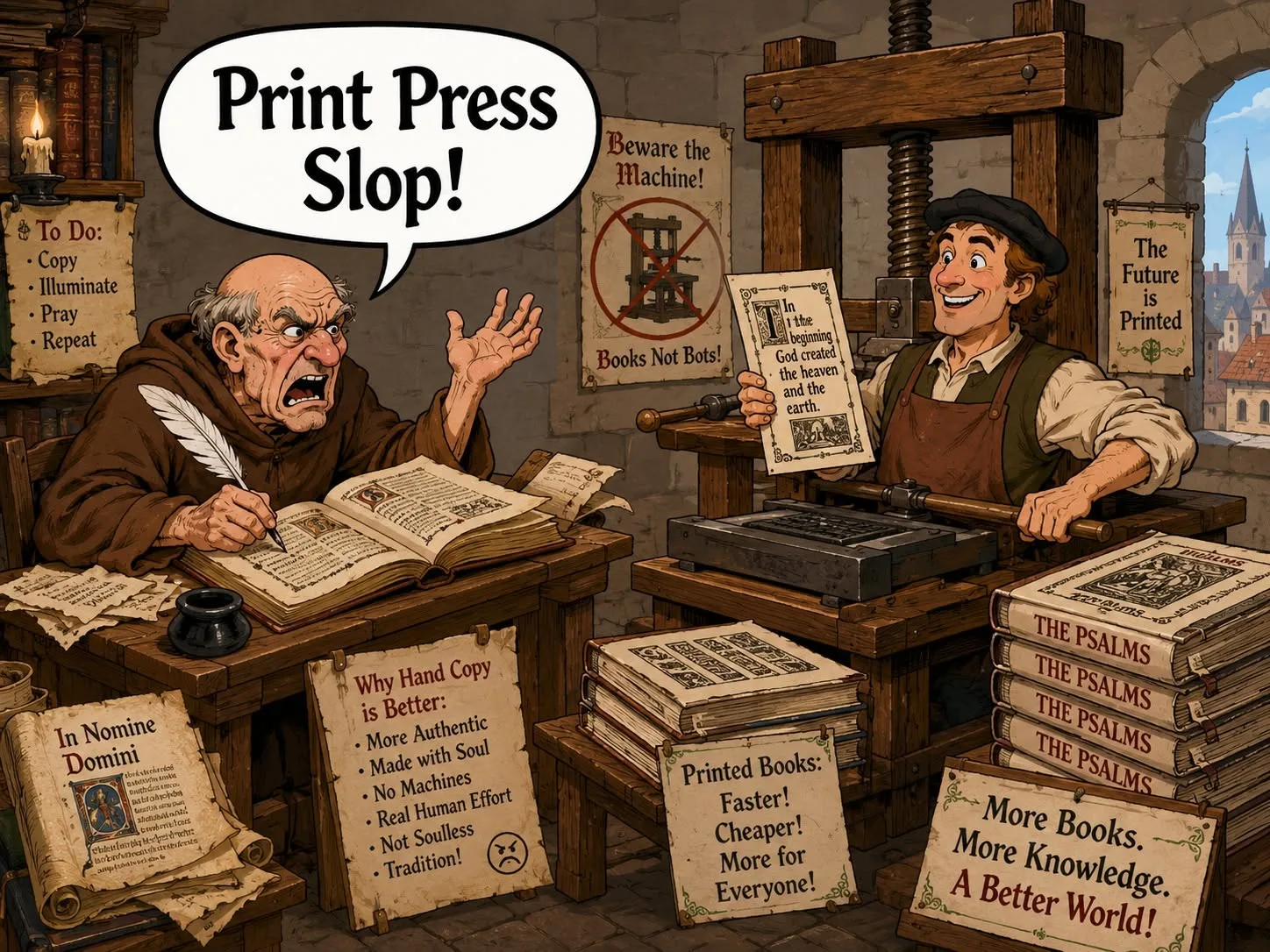
The word "slop" is useful when it names careless mass-produced material. It becomes useless when it is applied to anything made efficiently. Speed is not proof of worthlessness. Difficulty is not proof of quality. Suffering is not a unit of artistic merit.
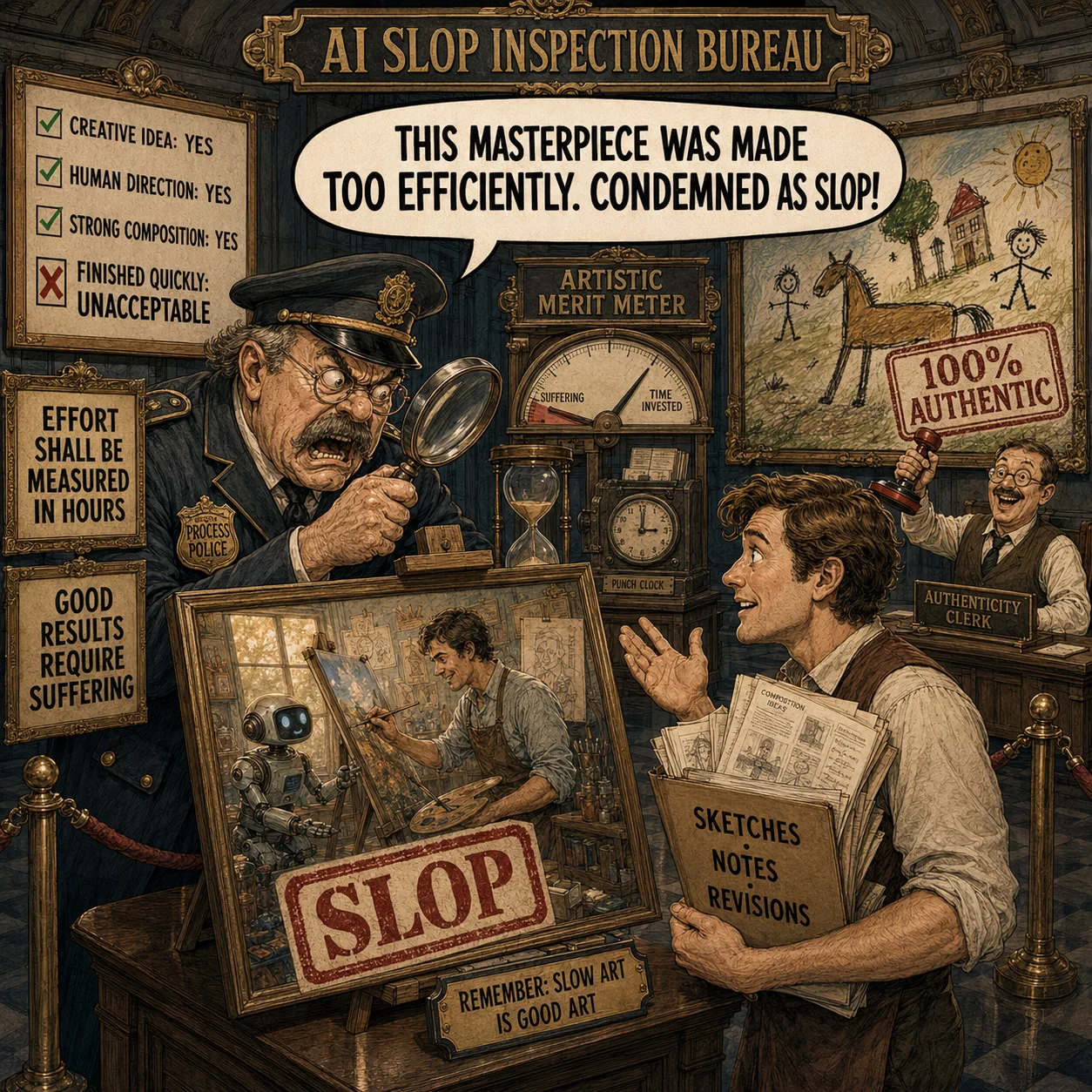
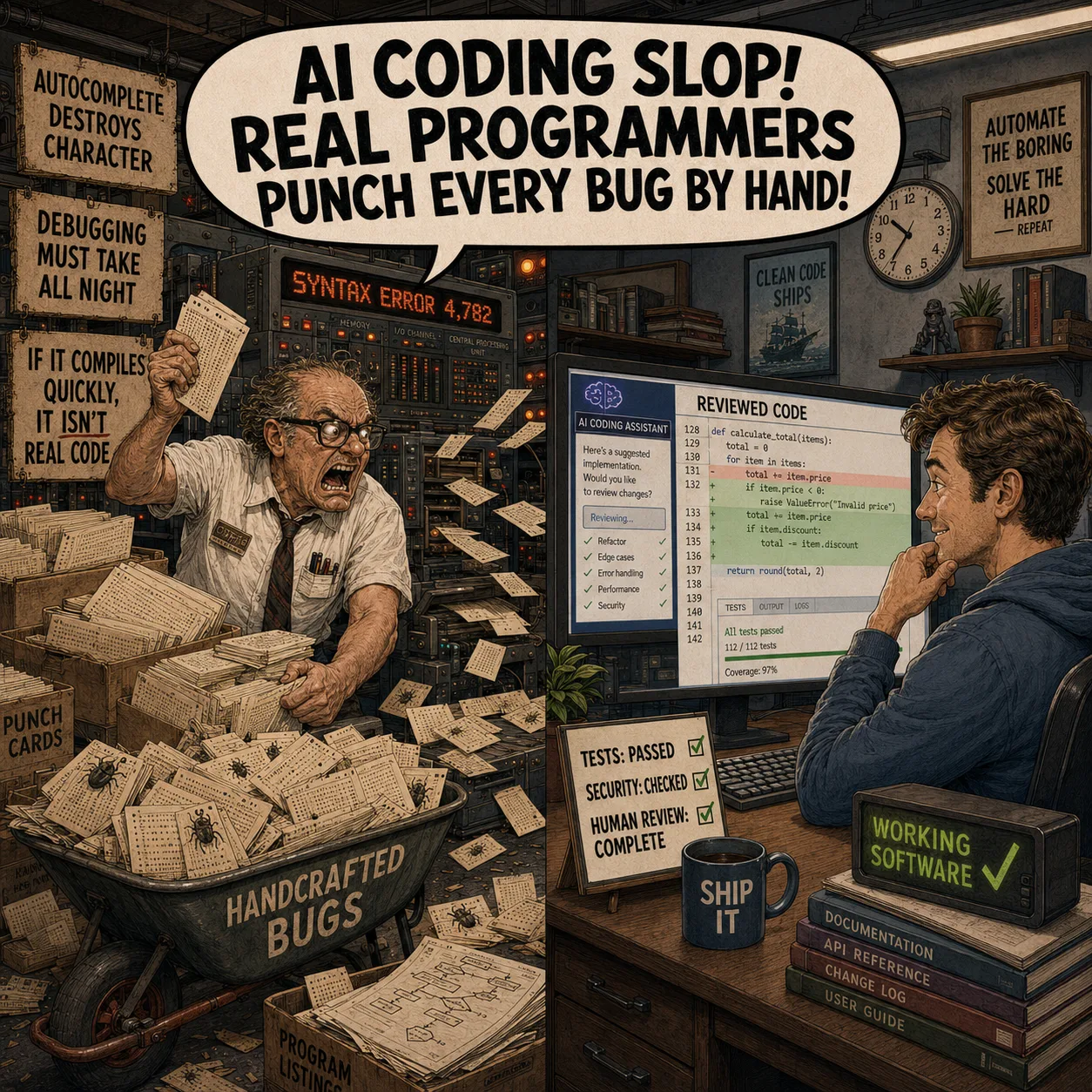
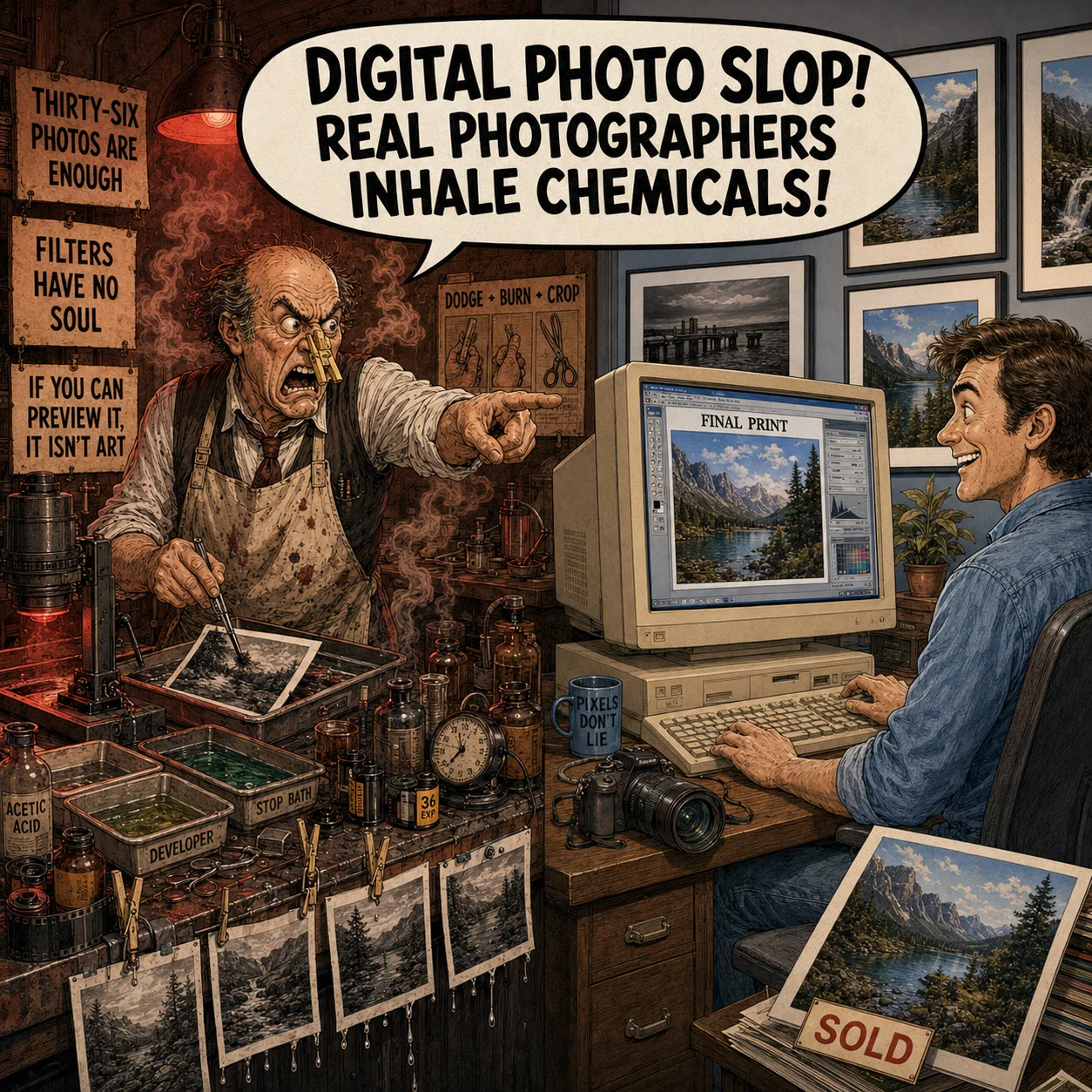
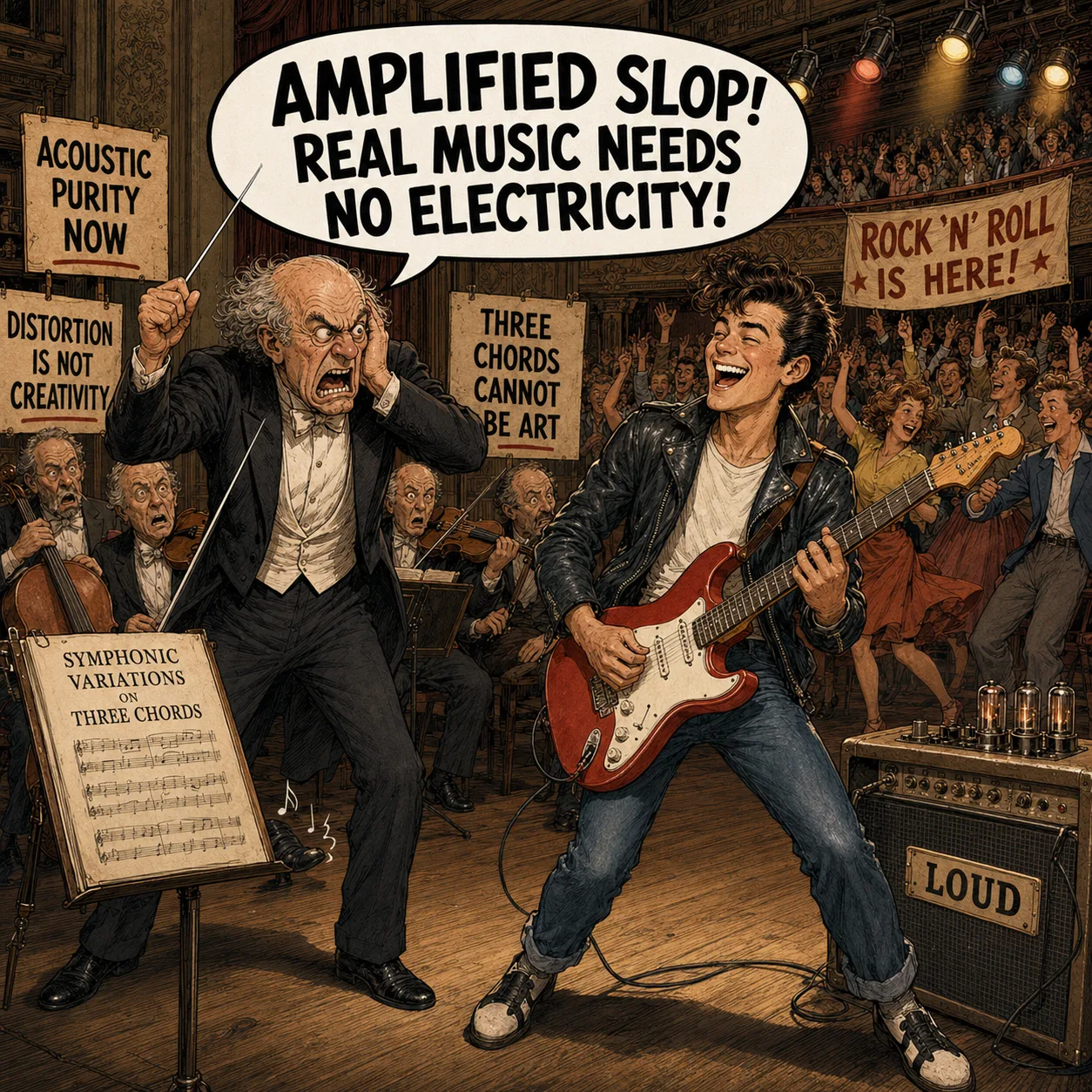
Photography faced the same accusation. A mechanical image supposedly could not be art because the camera did too much. Digital photography faced it again because film chemistry was replaced by sensors and software. Word processors were less authentic than typewriters. Spellcheck made writers lazy. Electric guitars corrupted real music. Printing presses cheapened sacred texts copied by hand.

Each time, the new tool produced bad work and great work. Each time, gatekeepers confused control over the old process with ownership of creativity itself. And each time, more people gained the ability to participate.
Jobs Will Change, and New Work Will Appear
The strongest part of the testimony rejects the idea that the economy contains a fixed pile of jobs. Technology removes some tasks, changes others, and creates work that earlier generations could not predict. At the birth of the internet, who predicted that online networks would eventually support more than a million ride-share drivers? New systems create second- and third-order effects that do not fit neatly into a fear-driven forecast.
That does not excuse indifference to people whose jobs are disrupted. Transitions deserve serious attention. Training, mobility, competition, and rules against fraud or coercion matter. But protecting people is different from preserving every old task forever. A policy that protects a job by making everyone else less productive eventually protects nothing.
AI Should Amplify Independence, Not Replace Judgment
The liberating use of AI is not replacing thought. It is giving independent people leverage. A small business can build systems once reserved for corporations. An artist can prototype without an agency. A programmer can test ideas without assembling a large team. A disabled entrepreneur can automate barriers that previously made participation impossible. A working-class founder can begin before a bank or investor decides the idea deserves to exist.
But leverage works in both directions. AI can help create propaganda, impersonation, surveillance, scams, and oceans of low-effort content. The answer is not to pretend those dangers do not exist. The answer is to keep human accountability attached to the output. Verify claims. Review code. Protect private data. Label synthetic material when context requires it. Judge the result, not the marketing.
The Choice Is Ours
AI is not automatically liberation, and it is not automatically doom. It is power. The political and economic question is whether that power remains locked inside a handful of governments and giant corporations, or whether ordinary people can use it to become more capable and independent.
I know which direction I want.
I want the person without family money to be able to build. I want the small business to compete with the company that has three floors of administrators. I want skilled people to spend less time repeating mechanical tasks and more time making decisions. I want technology to break gates instead of building new ones.
Call bad work slop when it is bad. Hold creators responsible for errors. Challenge deceptive claims and lazy output. But do not confuse efficiency with fraud, assistance with incompetence, or technological progress with surrender.
The future will not be decided by the people who complain most loudly that the tool exists. It will be decided by the people who learn how to use it, question it, improve it, and put it to work without giving up their judgment.
Watch the Video
The full video includes the Federal Reserve testimony and a walkthrough of the call-center platform that shaped this argument.
Watch “Is AI the Lazy Way?” on YouTube
Related Reading
Similar posts

2026-08-22 · Music
Can a Punk Song Be Made With AI Assistance?
Punk has always stolen affordable technology from the gatekeepers. Ryan Thompson asks whether AI can help an independent songwriter create a genuine punk song without surrendering authorship, judgment, or anger.
2026-07-10 · Culture
Charlie Kirk's Final Interview Wasn't About Politics. It Was About Building a Life That Matters
Ryan "Dickie" Thompson reflects on Charlie Kirk's final interview, not as campaign theater, but as a founder-to-founder lesson in ambition, discipline, service, AI, feedback, faith, and love for humanity.
2026-07-26 · Culture