
Lindsay Clancy Mistrial: “Sad” Is Not an Excuse for Killing Your Children

By Ryan Thompson | Disruptarian commentary | September 5, 2026
“Sad” is not an excuse for strangling your three kids.
That is my starting point in the Lindsay Clancy debate. A parent's suffering deserves attention. The children deserve justice. Compassion becomes morally bankrupt when it asks us to remember the adult's anguish while treating the children's lives as an unfortunate footnote.
Clancy's trial ended in a mistrial on September 4 after the jury failed to agree. She does not dispute killing her three children; criminal responsibility was contested. The foreperson accused a lone juror of refusing the reasonable-doubt instruction, and the defense sought that juror's removal. These are reported allegations about deliberations, not proof of the juror's reasoning. Associated Press
My position is that mental illness must never become an automatic exemption from criminal accountability. But making that argument honestly requires distinguishing the everyday word “crazy” from the legal standard for insanity. Otherwise, we surrender the strongest part of the argument to an easily corrected mistake.
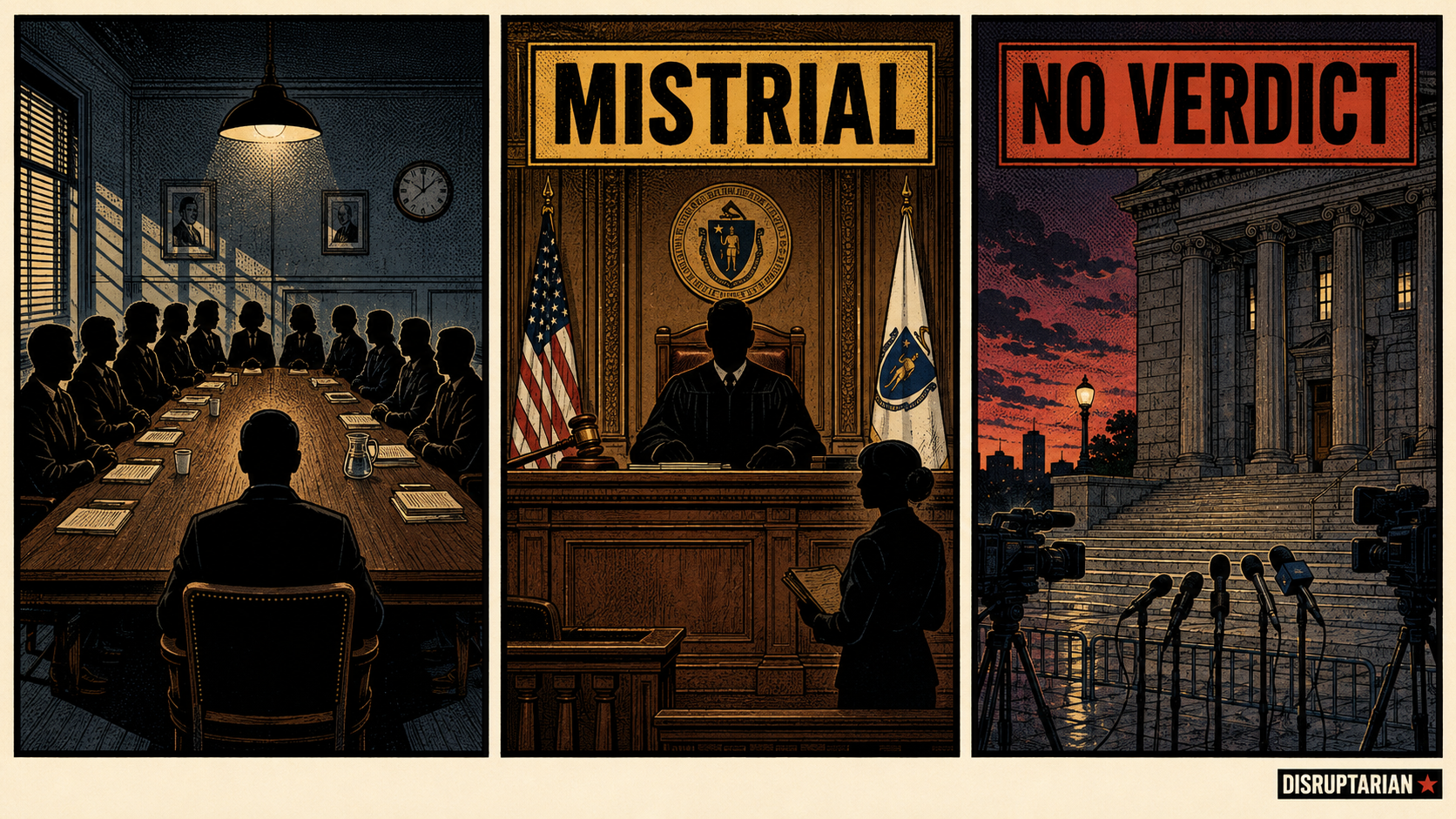
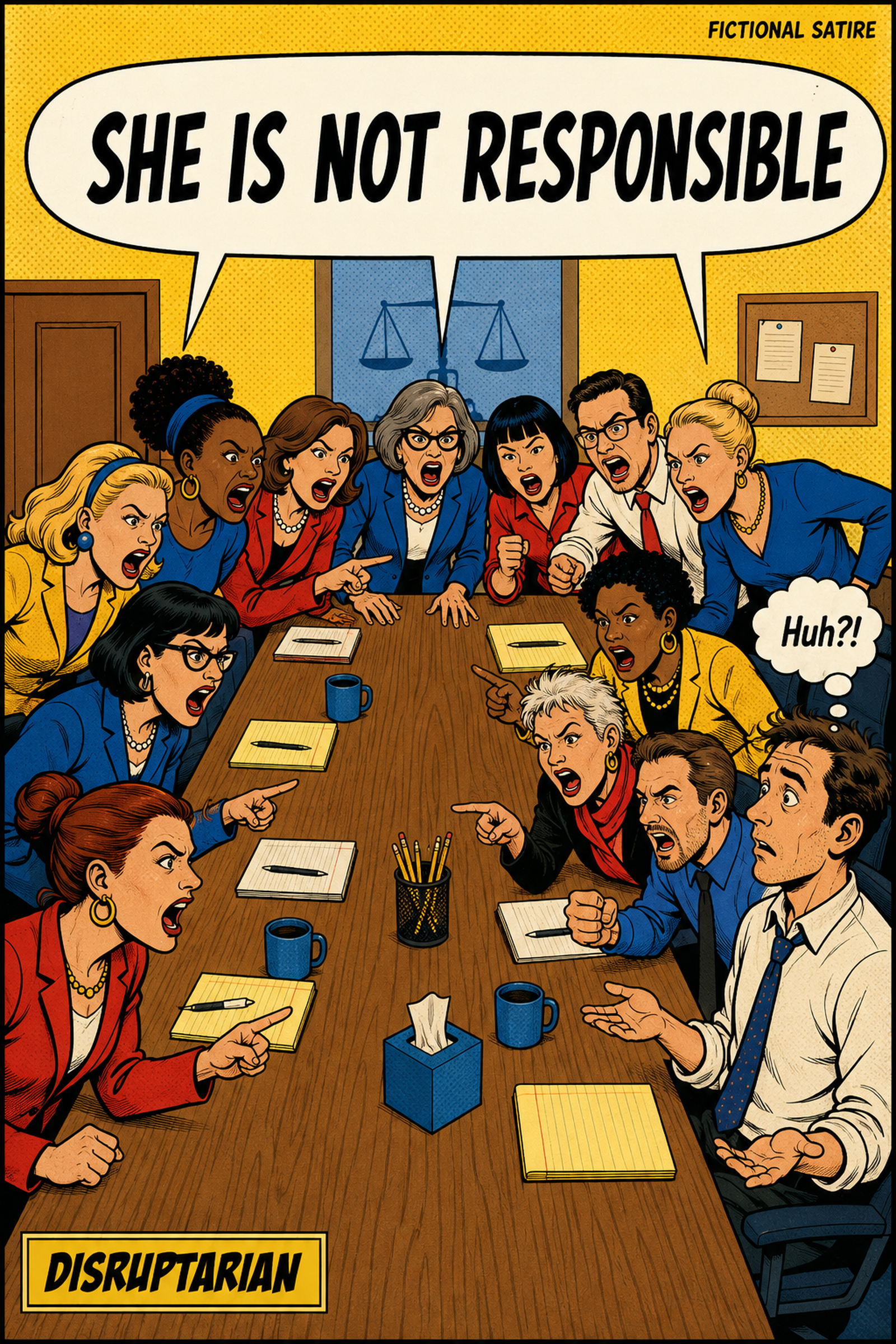
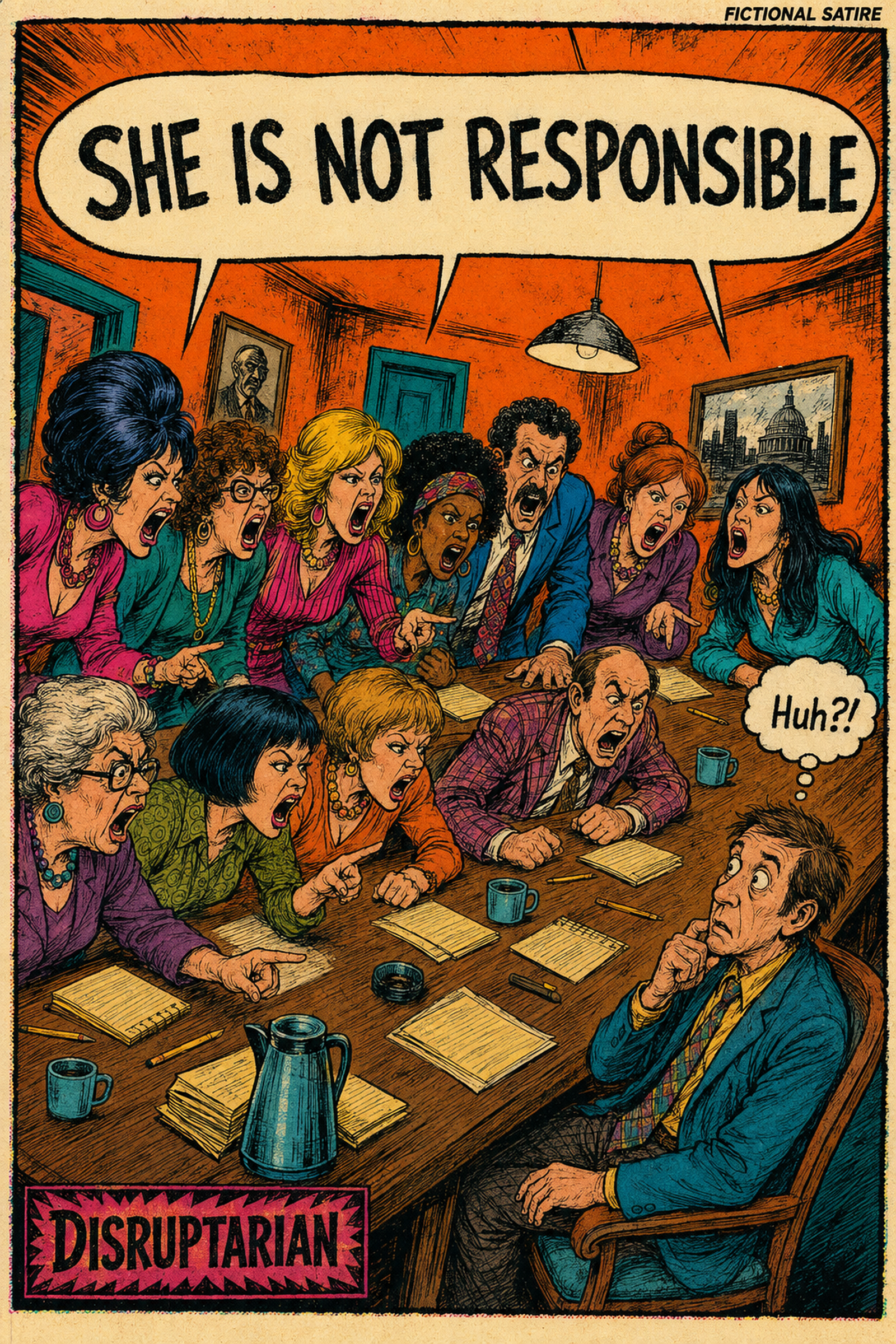
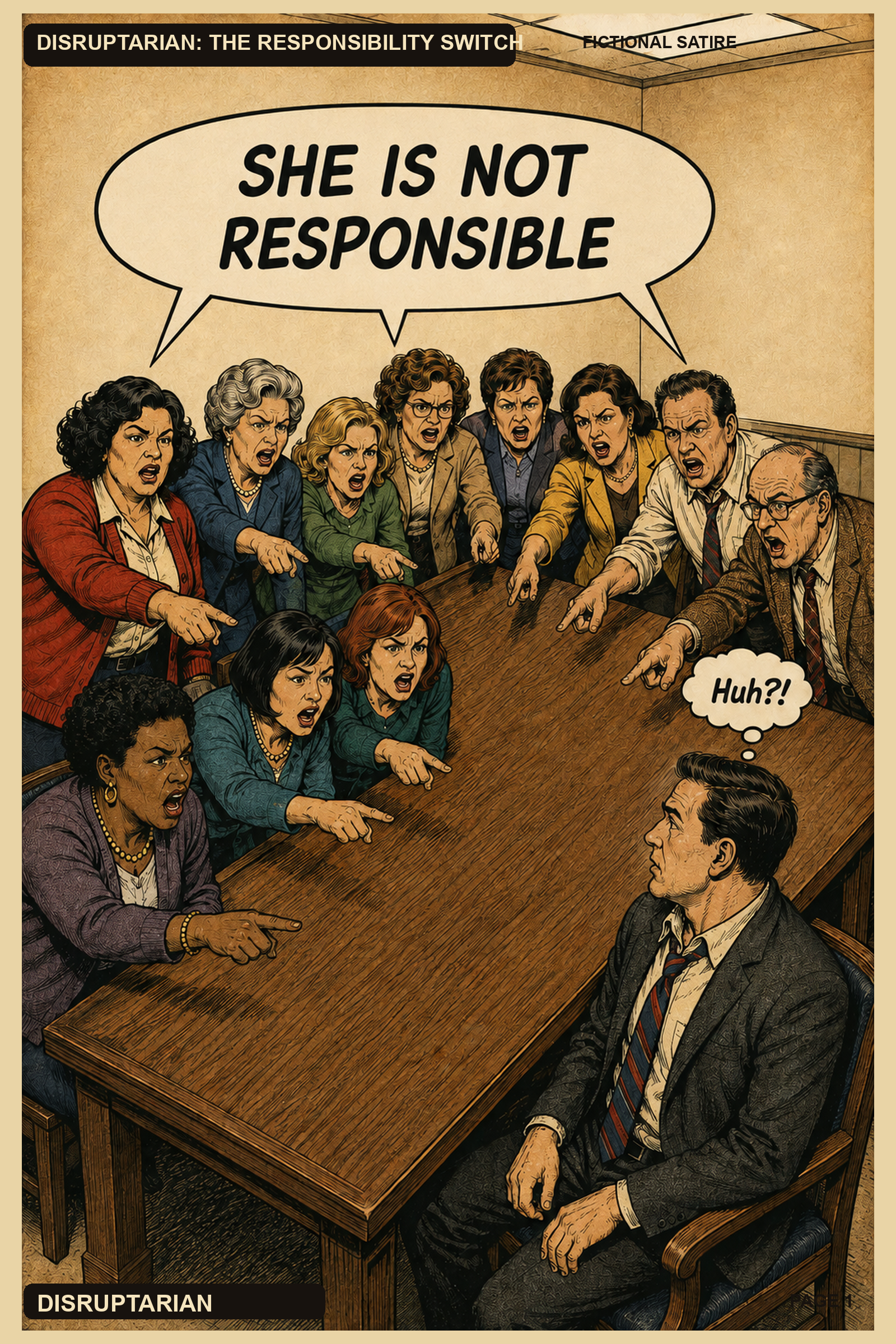
Comic storyboard
The panels below illustrate the article’s account of the reported deadlock: a lone holdout, a jury unable to reach unanimity, and the court’s mistrial. They are visual commentary on the story described in this article.

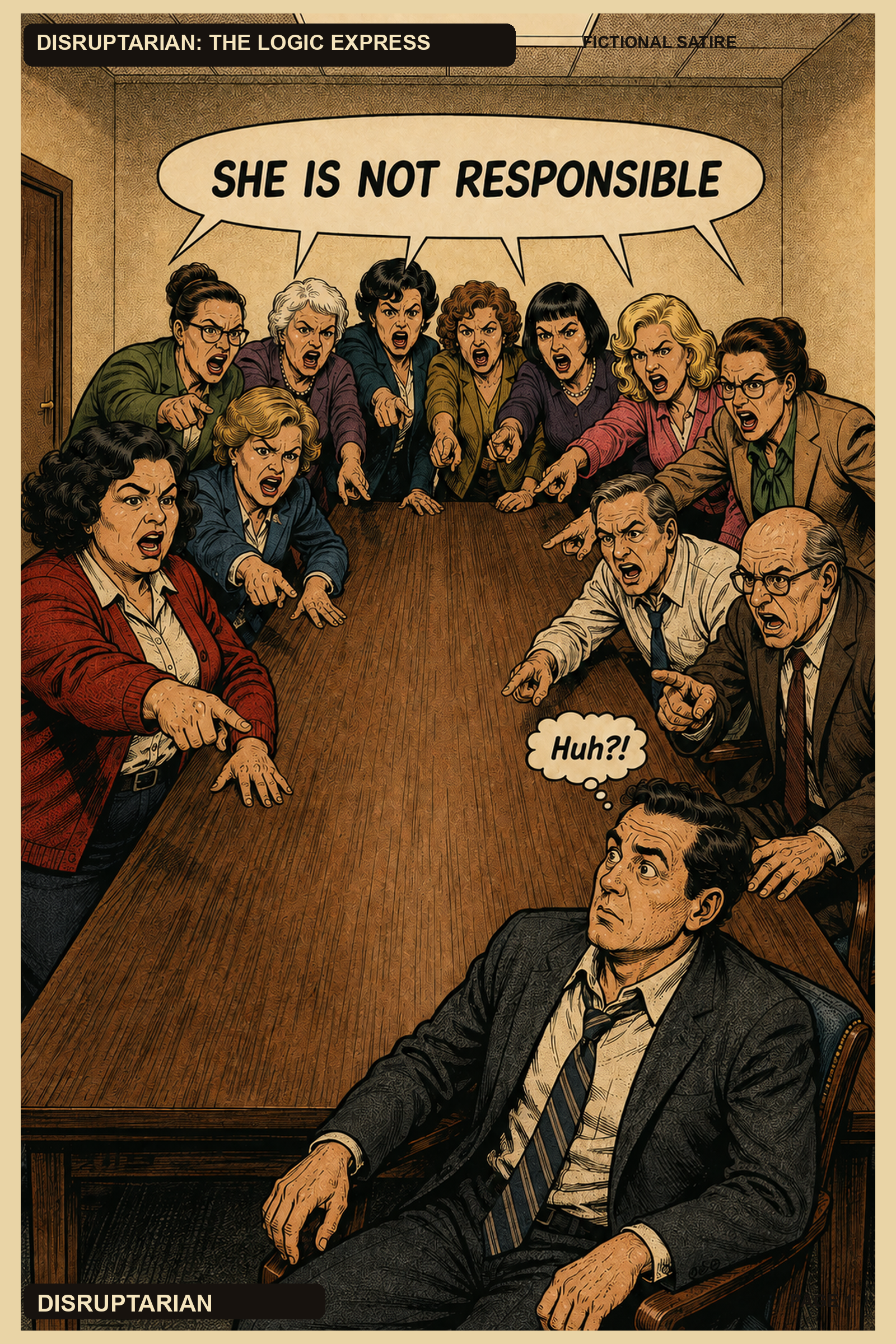
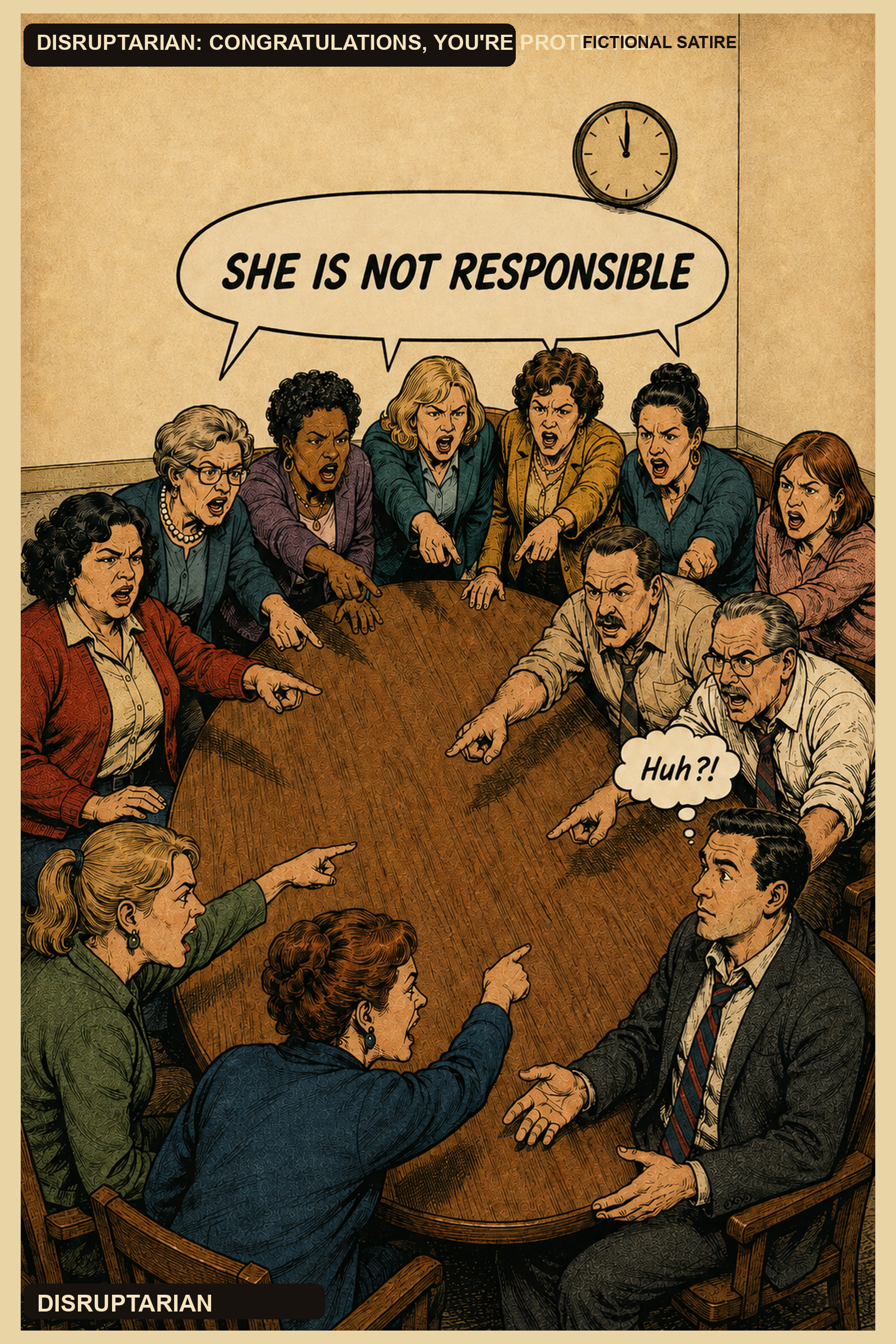
The law asks more than whether someone was suffering
Massachusetts asks whether a mental disease or defect deprived a defendant of substantial capacity to appreciate the wrongfulness of the conduct or to conform it to the law. When criminal responsibility is at issue, the prosecution must establish it beyond a reasonable doubt. Mental illness alone does not resolve that question. Massachusetts homicide jury instructions
That distinction cuts both ways. A diagnosis does not automatically excuse a killing. Equally, the horror of a killing does not automatically defeat a legally supported insanity defense. The prosecution still has to prove its case.
The defense argued postpartum psychosis, not ordinary sadness. The NHS describes that condition as a medical emergency that can involve delusions and hallucinations. Calling psychosis mere sadness would misdescribe the medical claim. NHS
My criticism is aimed at the emotional shortcut: she suffered, therefore punishment would be cruel. That conclusion does not follow. Medical evidence belongs in court. Sympathy does not get to decide what that evidence proves.
The prosecution and defense offered sharply different accounts of Clancy's mental state. Reporting on the trial describes defense testimony about psychiatric deterioration and a voice she said she heard; prosecutors disputed the explanation and argued that she acted knowingly. Those competing positions were not resolved by a unanimous verdict. AP trial overview
Dahmer, Gacy and Manson: the comparison that actually holds up
How many deeply disturbed killers have received criminal penalties? There is no meaningful national count of people who were “clearly insane” in the everyday sense. That phrase is neither a consistent diagnosis nor a legal category. But there are documented examples of insanity defenses failing and severe sentences following.
| Defendant | Documented result | What it establishes |
|---|---|---|
| Jeffrey Dahmer | His insanity defense failed in 1992. He received fifteen consecutive life sentences in the Wisconsin case. | Horrific behavior did not itself establish legal insanity. |
| John Wayne Gacy | His insanity defense failed. The Illinois Supreme Court affirmed convictions and sentences including death on twelve murder counts and natural life on the others. | A contested psychiatric defense did not prevent capital and life sentences. |
| Charles Manson | He was sentenced to death; that sentence was later changed to life following California's invalidation of its death-penalty law. | His punishment was real, but the sentence alone establishes no psychiatric diagnosis. |
Sources: University of Michigan Law School account of Dahmer's trial, People v. Gacy, California Department of Corrections and Rehabilitation on Manson.
These cases support accountability despite claims of mental disorder. They do not support saying courts found all three legally insane and punished them anyway. Nor do defendants tried in different states establish what a Massachusetts jury must decide about Clancy.
The principle I draw from them is straightforward: a disturbing mind cannot be its own defense. The evidence has to establish the relevant legal consequences. A mother should face that same scrutiny.
My praise for the holdout comes with a rule-of-law condition
I want to personally praise the lone holdout for standing firm if the juror concluded, after applying the instructions and weighing the evidence, that the prosecution proved criminal responsibility beyond a reasonable doubt. Refusing to surrender an honestly reached verdict to pressure is a public service.
One person's conscience does not become defective because eleven people disagree. A unanimous-verdict requirement has meaning precisely when agreement is difficult.
But I cannot honestly announce that the juror unquestionably followed the law. The reported complaint was that the juror would not apply reasonable doubt. The defense's accusation does not prove misconduct; neither does our preference for a conviction prove lawful deliberation.
My praise is for principled independence. If the juror instead accepted that reasonable doubt existed and voted guilty anyway, that would contradict the rule of law I am defending. The same evidentiary discipline must bind the juror whose conclusion I prefer.
Where the video gets it right—and goes too far
The accompanying video raises a fair concern: are people allowing identification with a mother to overwhelm concern for the children? Its strongest passage arrives around 32:04–34:45, when the discussion turns to Massachusetts's burden of proof and the difference between colloquial insanity and criminal responsibility. That distinction deserves more attention than the provocations surrounding it.
Elsewhere, the hosts treat the jury's reported sex composition as evidence of feminist decision-making. They identify the holdout as a man and infer how the women voted. The hosts make those claims in the video; their commentary does not independently establish the juror's sex or anyone's motives. I have not independently verified those details.
Even a verified vote breakdown would not tell us why each person voted that way. Disagreement over psychiatric evidence is not, by itself, evidence of an ideological conspiracy.
I reject a version of feminism that demands equal agency when claiming authority but treats women as incapable of responsibility when they commit terrible acts. That is my criticism of an argument, not a factual finding about the women on this jury. Equal treatment should mean equal scrutiny, equal legal protections and equal accountability when the prosecution meets its burden.
The video's sweeping claims about what all-male or all-female juries would do are speculation. They weaken a serious argument by substituting a demographic story for evidence. We should demand that jurors judge the defendant's conduct individually—and judge the jurors with the same discipline.
The commentary is a source for the speakers' arguments, not independent proof of their case-specific assertions.
Keep the children at the center
An insanity acquittal also does not necessarily mean immediate freedom: Massachusetts provides for a subsequent petition for psychiatric commitment. That is a different legal process from a criminal sentence, with its own requirements. Massachusetts jury instructions
We can debate whether that framework adequately protects the public and honors victims. We can insist on treatment while arguing for punishment where criminal responsibility is proved. We can demand better psychiatric care without turning alleged failures by doctors into automatic absolution for a defendant.
What I will not accept is a hierarchy of sympathy in which the adult's suffering swallows the children's claim to justice.
“Sad” is not an excuse. Motherhood is not immunity. Mental illness requires evidence and careful legal analysis, not an automatic exemption. And a juror who reaches a lawful, evidence-based conclusion should have the courage to stand by it—even alone.
Sources and evidence
- Associated Press: mistrial and dispute over the holdout.
- Associated Press: trial evidence and competing psychiatric accounts.
- Massachusetts: criminal-responsibility jury instructions.
- NHS: postpartum psychosis.
- University of Michigan Law School: Dahmer trial analysis.
- Illinois Supreme Court: People v. Gacy.
- California corrections department: Manson's sentence history.
- The Lindsay Clancy Jury Is an Embarrassment.
Evidence note: This is opinion commentary with linked sources. VeriFact returned insufficient evidence and did not validate the factual source package. Publication was authorized after that limitation was disclosed.
Related Reading
Similar posts

2026-09-04 · Digital Rights
The Lindsay Clancy Trial: Truth, Responsibility, and the Court of Public Opinion
Ryan Thompson examines the Lindsay Clancy trial, the court of public opinion, and why compassion must not erase due process or accountability.
2026-07-29 · Culture
Parental Alienation Is Not a Private Dispute: It Is the Destruction of a Child’s Family
Parental alienation does not begin when a child cuts off a parent. It begins with loyalty tests, emotional pressure, blocked contact, and years of distorted family stories. Ryan Thompson shares his experience of losing h
2026-07-09 · Commentary