
Ruby Ridge: The Federal Siege That Killed Samuel and Vicki Weaver

Ruby Ridge is one of those American stories that never sat right with me.
I was 14 years old when it happened.
So was Samuel Weaver.
That detail has always stayed with me. Not because I knew him. I didn’t. Not because I lived in Idaho. I didn’t. I was living in Utah at the time, watching the news, hearing adults talk around the edges of it, and trying to understand what the federal government had just done up in the mountains near Naples, Idaho.
The thing that cut through all the political fog was simple.
A 14-year-old boy was dead.
His mother was dead.
The family dog was dead.
A U.S. Marshal was dead.
And the federal government had turned a bad case, bad paperwork, bad tactics, and bad judgment into an American tragedy.
Ruby Ridge was not just a standoff. It was a warning.
The Setup: Randy Weaver and the Federal Case
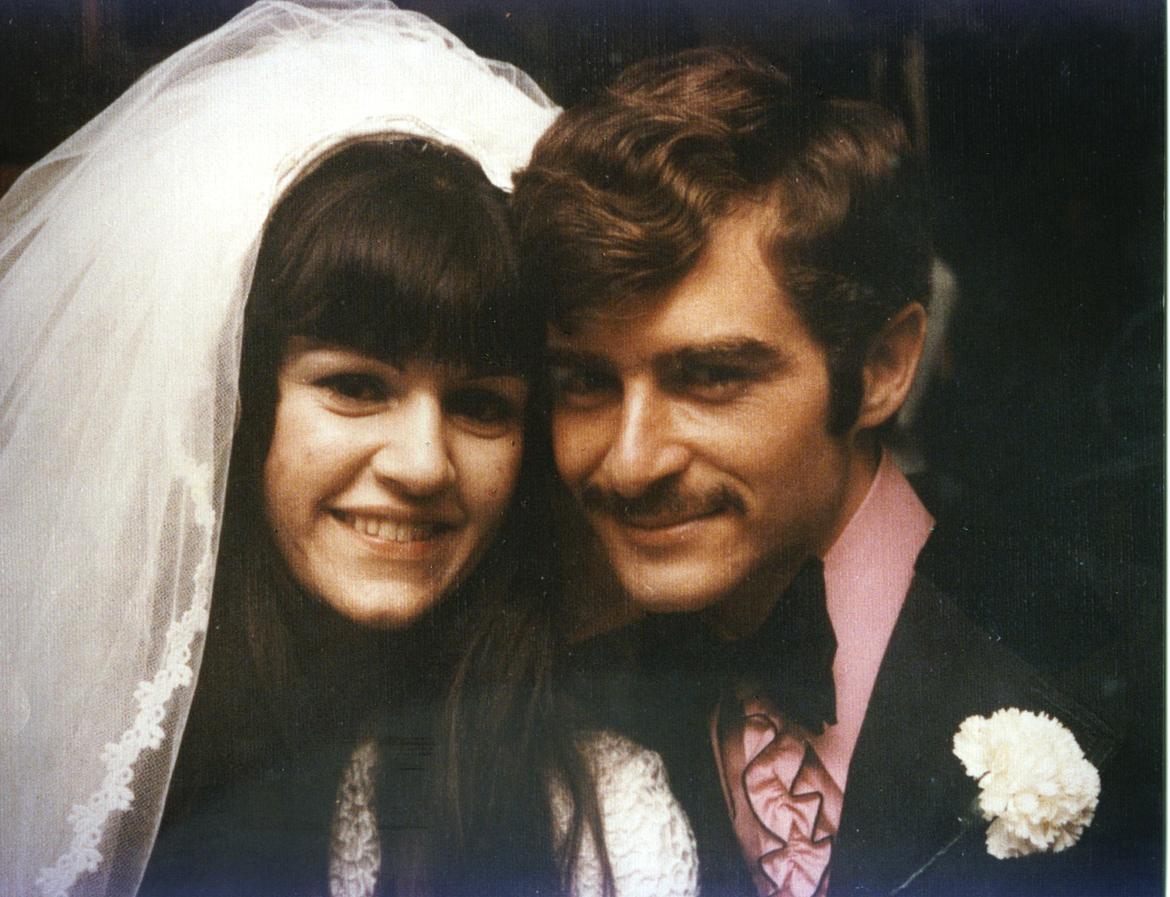
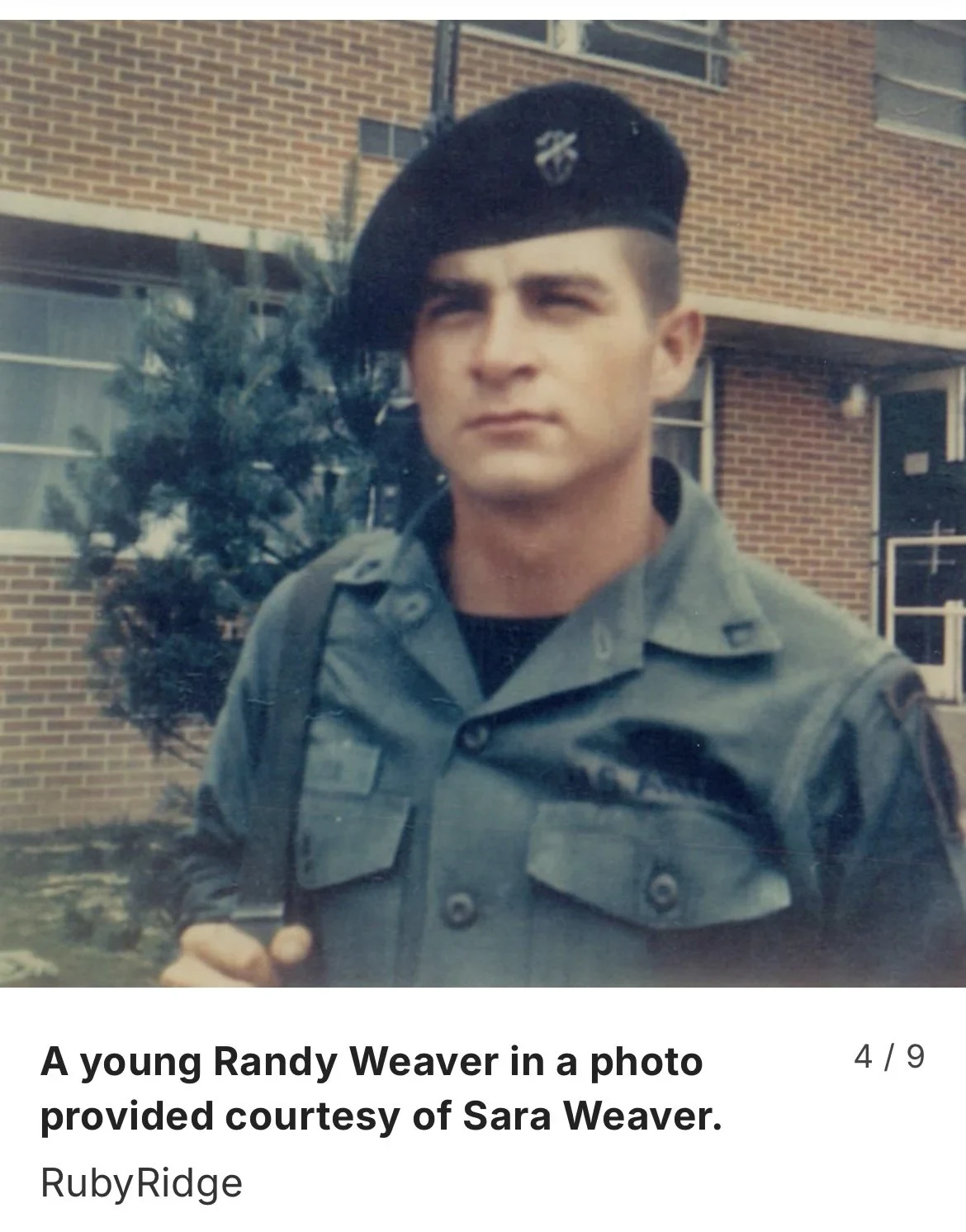
Randy Weaver was a former Green Beret living with his family on a remote property in northern Idaho. His wife was Vicki Weaver. Their children lived with them, including their son Samuel Weaver, often called Sammy. Family friend Kevin Harris was also close to the family and present during the incident.
The Weavers lived a hard, isolated, religious, backwoods life. Some people saw them as extremists. Some saw them as separatists. Some saw them as people who wanted to be left alone.
But the federal government had its eye on Randy Weaver.
The original case involved accusations that Weaver sold illegally shortened shotguns to an ATF informant. Weaver claimed he was pressured. The government saw a firearms case. Then things got worse.
Weaver missed a court date.
That sounds simple until you get to the part that matters: the government sent him paperwork with the wrong date.
That does not make every decision Randy Weaver made correct. But it does matter. When people say, “He should have just gone to court,†they often skip the part where the government helped create confusion over the court date in the first place.
Once the bench warrant was issued, the federal machine started moving.
And when that machine moves badly, it does not exactly tiptoe.
U.S. Marshals in the Woods
By August 1992, U.S. Marshals were conducting surveillance around the Weaver property. They were not just walking up to the house with a warrant and a conversation. They were sneaking around the woods near a family home.
On August 21, 1992, the Weaver family dog, Striker, noticed the marshals.
That dog did what dogs do. He alerted the family.
Samuel Weaver and Kevin Harris followed the dog into the woods. Randy Weaver was also nearby. The marshals were trying to avoid detection, but the situation was already too tense. Too many armed men. Too much fear. Too much bad judgment.
Then the shooting started.
This is where the story gets ugly because the official record does not clearly prove who fired the first shot.
The government version and the Weaver side do not match.
The marshals claimed Kevin Harris fired first, killing Deputy U.S. Marshal William Degan. The Weaver side claimed the marshals shot the dog first, and then the gunfight erupted.
But we do know this: U.S. Marshal Art Roderick shot and killed the family dog.
The FBI did not kill the dog. That first firefight happened before the FBI sniper team took over the scene. It was U.S. Marshals in the woods.
We also know this: Deputy Marshal William Degan was shot and killed by Kevin Harris.
And we know this: Samuel Weaver, a 14-year-old boy, was shot and killed.
Sammy had been hit in the arm. Then he was fatally shot in the back while retreating toward the cabin.
Shot in the back.
That sentence still burns.
I was the same age as Sammy Weaver. Fourteen years old. Old enough to think you know something about the world, but still young enough to be someone’s child in every way that matters.
Sammy was not a battlefield commander. He was not some federal case mastermind. He was a boy in the woods near his family home, caught in a government operation that had already gone sideways.
By the end of that first day, the dog was dead, Sammy was dead, and Marshal Degan was dead.
That should have been the moment everyone backed up.
That should have been the moment cooler heads took over.
That should have been the moment the government said, “This has already gone too far.â€Â
But that is not what happened.
The FBI Arrives
The FBI arrived after the first firefight.
With the FBI came the Hostage Rescue Team. Snipers were deployed. One of those snipers was Lon Horiuchi.
The next day, August 22, Randy Weaver, Kevin Harris, and others were near a shed close to the cabin. Horiuchi fired a shot that wounded Randy Weaver.
Randy, his daughter Sara, and Kevin Harris ran back toward the cabin.
Then Horiuchi fired again.
That second shot was aimed toward Kevin Harris as he was entering the cabin. The bullet struck Harris and seriously wounded him.
But it also killed Vicki Weaver.
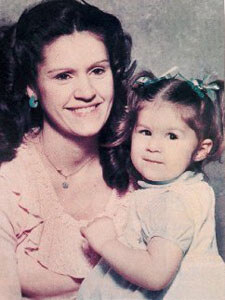
Vicki was standing behind the cabin door. The commonly reported account is that she was holding her baby daughter, Elisheba, when she was shot. The shot hit her in the head or face area and killed her almost instantly.
Think about that.
A mother, inside her own home, reportedly holding a baby, killed by an FBI sniper.
Not on a battlefield overseas.
Not during a bank robbery.
Not during a hostage rescue.
Inside her home, on a mountain in Idaho.
The official investigation later said there was no proof Horiuchi intentionally targeted Vicki Weaver. But that does not make the shot righteous. The Justice Department’s own review later concluded that the second shot was not constitutionally justified.
That is government-speak for, “This should not have happened.â€Â
The people running the operation had authorized deadly force under conditions that went beyond normal law enforcement standards. The rules treated armed adult males near the cabin as targets, whether or not they posed an immediate threat at that exact moment.
That is not law enforcement.
That is a hunting license with a badge stapled to it.
“He Should Have Gone to Courtâ€Â
Whenever Ruby Ridge comes up, someone usually says, “Well, Randy Weaver should have gone to court.â€Â
Fine. He should have handled the case better.
But missing court, especially after the government sent confusing paperwork, does not give the state permission to kill your son, kill your wife, shoot your friend, shoot you, kill your dog, and traumatize your surviving children.
There are levels to this.
And the federal government blew through all of them like a drunk driver through a yield sign.
You can believe Randy Weaver made mistakes and still understand that the federal response was outrageous.
You can believe Marshal Degan’s death was tragic and still say Samuel and Vicki Weaver should be alive.
You can support law and order and still understand that lawless order is just tyranny wearing a clean shirt.
That is where honest people have to stand.
How Many People Were Shot?
On Randy Weaver’s side, four people were shot.
Samuel Weaver was shot and killed.
Vicki Weaver was shot and killed.
Randy Weaver was shot and wounded.
Kevin Harris was shot and seriously wounded.
The family dog, Striker, was also killed.
On the government side, Deputy U.S. Marshal William Degan was shot and killed.
In total, three people died during the Ruby Ridge incident: Samuel Weaver, Vicki Weaver, and William Degan.
The standoff lasted 11 days.
For days, the surviving Weaver family members were trapped in that cabin. Vicki’s body remained inside for part of that time. Imagine being those children. Imagine being in that house. Imagine hearing armed adults outside with rifles and bullhorns while your mother lies dead inside.
That is not a clean federal operation.
That is a horror story with paperwork.
The Trial and the Collapse of the Government’s Case
Eventually, the siege ended. Randy Weaver and Kevin Harris surrendered.
Then came the trial.
This is where the government’s case started falling apart.
Randy Weaver was charged with serious crimes tied to the standoff and the death of Marshal Degan. Kevin Harris was also charged.
But at trial, the big charges did not hold.
Kevin Harris was acquitted of all charges.
Randy Weaver was acquitted of the major charges. He was convicted only of failing to appear in court and violating bail conditions.
Let that sink in.
After the surveillance, the firefight, the siege, the sniper shots, the dead son, the dead wife, and the dead dog, Randy Weaver’s convictions were basically tied to not showing up to court and bail violations.
The federal government later settled with the Weaver family for 3.1 million dollars. Randy received 100,000 dollars. His three daughters each received 1 million dollars.
Kevin Harris later received a separate settlement.
Of course, the government did what government usually does in these cases. It paid money, but did not admit wrongdoing.
That is the old trick.
They reach into taxpayer pockets, write a check, and then say, “We did nothing wrong.â€Â
Neat little racket, if you can sleep at night.
Was Anyone Held Accountable?
Lon Horiuchi, the FBI sniper who fired the shot that killed Vicki Weaver, was later charged by Idaho authorities with manslaughter. That case bounced through the courts. It was moved to federal court, dismissed, revived on appeal, and eventually dropped.
So did anyone in federal power really pay for what happened at Ruby Ridge?
Not in the way normal Americans would understand justice.
There were reports.
There were hearings.
There were criticisms.
There were settlements.
There were careers bruised and reputations damaged.
But Vicki Weaver was still dead.
Samuel Weaver was still dead.
And the message to the American public was clear: when the state makes a fatal mistake, the state investigates itself, writes a report, pays with your money, and moves on.
That is not accountability.
That is bureaucracy wearing a mourner’s coat.
Why Ruby Ridge Still Matters
Ruby Ridge matters because it became one of those moments where Americans across the political spectrum looked at the federal government and said, “Hold on. What exactly are you allowed to do?â€Â
You did not have to agree with Randy Weaver’s beliefs.
You did not have to like his politics.
You did not have to approve of his lifestyle.
That is not the point.
Rights are not reserved for people who pass a popularity contest.
That is the whole point of rights.
If the government can only be restrained when the victim is polite, fashionable, and socially approved, then we do not have rights. We have permissions.
And permissions can be revoked.
Ruby Ridge also became part of a larger distrust that grew in the 1990s. Not long after came Waco. Then came the Oklahoma City bombing, where Timothy McVeigh used Ruby Ridge and Waco as part of his twisted justification for mass murder.
Let me be clear: McVeigh was evil. Murdering innocent people is not resistance. It is murder.
But that does not erase what Ruby Ridge exposed.
It exposed bad incentives.
It exposed federal arrogance.
It exposed what happens when law enforcement starts treating citizens like enemy combatants.
And it exposed how quickly a government mistake can become a family graveyard.
A 14-Year-Old Boy
For me, the age of Samuel Weaver is still the detail I cannot shake.
Fourteen.
That was my age.
I remember being a kid in Utah, not fully understanding every legal issue, not knowing all the names, not knowing every agency involved. But I understood enough.
A boy my age had been shot in the back.
His mother had been shot while reportedly holding a baby.
And the people responsible wore badges, carried federal authority, and expected the country to accept it as procedure.
I do not accept it as procedure.
I see Ruby Ridge as a warning.
Do not worship the state.
Do not assume a badge makes a bad decision good.
Do not assume every armed government operation is justice in motion.
Sometimes it is fear, ego, incompetence, and authority stacked on top of each other until someone’s child is dead.
Final Thoughts
Randy Weaver was not made innocent of every bad choice in his life because the government wronged him.
But the government was not made innocent because Weaver was unpopular.
That is the line people keep missing.
The Bill of Rights was not written for people who never irritate the government. It was written because government power needs a leash.
A real leash.
Not a decorative one.
Ruby Ridge was not just a standoff in Idaho.
It was a warning shot into the American conscience.
And decades later, the question is still hanging there:
When the government gets it wrong, who holds the government accountable?
Because if the answer is “the government,†then matey, we’ve already found the leak in the ship.
Related Reading
Similar posts

2026-07-29 · Culture
Parental Alienation Is Not a Private Dispute: It Is the Destruction of a Child’s Family
Parental alienation does not begin when a child cuts off a parent. It begins with loyalty tests, emotional pressure, blocked contact, and years of distorted family stories. Ryan Thompson shares his experience of losing h
2026-07-09 · Commentary
Tyler Robinson Hearing Day Two: Why Candace Owens Was Right to Ask Questions
Day two of the Tyler Robinson preliminary hearing did not prove a conspiracy or clear Robinson. It did show why citizens and independent media were right to keep asking questions.
2026-07-26 · Culture