


parental rights Uncensored: Refuse the Gender Lobby
We live in an age when emotions are weaponized and institutions run recruitment drives disguised as “care.” A pediatrician telling a father, “Would you rather have a dead son or a live daughter?” isn’t an isolated cruelty — it’s the logic of a system that substitutes ideology for inquiry. This is about more than one family. It’s about who gets to decide a child’s identity: parents, or the machinery of schools, therapists, and clinics that profit from a single script.
This isn’t compassion. It’s emotional extortion.
The soft totalitarianism of toxic empathy
Call it toxic empathy: a culture that elevates feeling above facts until truth becomes inconvenient. It’s not sympathy; it’s surrender. We’ve seen this pattern across issues — feelings are deployed to shut down debate, absolve risky policy, and sanitize consequences.
When empathy becomes policy, we end up affirming harmful choices, validating untruths, and supporting systems that make money off quick fixes. Want to call that compassion? Fine. But don’t confuse a narrative shortcut with wisdom. Real love doesn’t capitulate to the easiest emotional outlet. Real love tells the truth, even when it hurts.
A 14-year-old with a target on his back
Meet the profile: new school, weight loss, undiagnosed autism, social isolation. Perfect conditions for a simplistic answer to complicated pain.
Enter the gender curriculum: cartoon “gender unicorns,” classroom peer groups that promise solace but function as recruitment hubs, and adults who hand a neat identity label to avoid messy, slow work. The result? A kid is told he is “trans” and that parental doubt equals cruelty.
That’s the lobby in action — not a sinister cabal in a smoke-filled room, but an infrastructure: schools, counselors, activists, media, and clinics all repeating the same script until dissenters look like villains.
A dad who refused the script
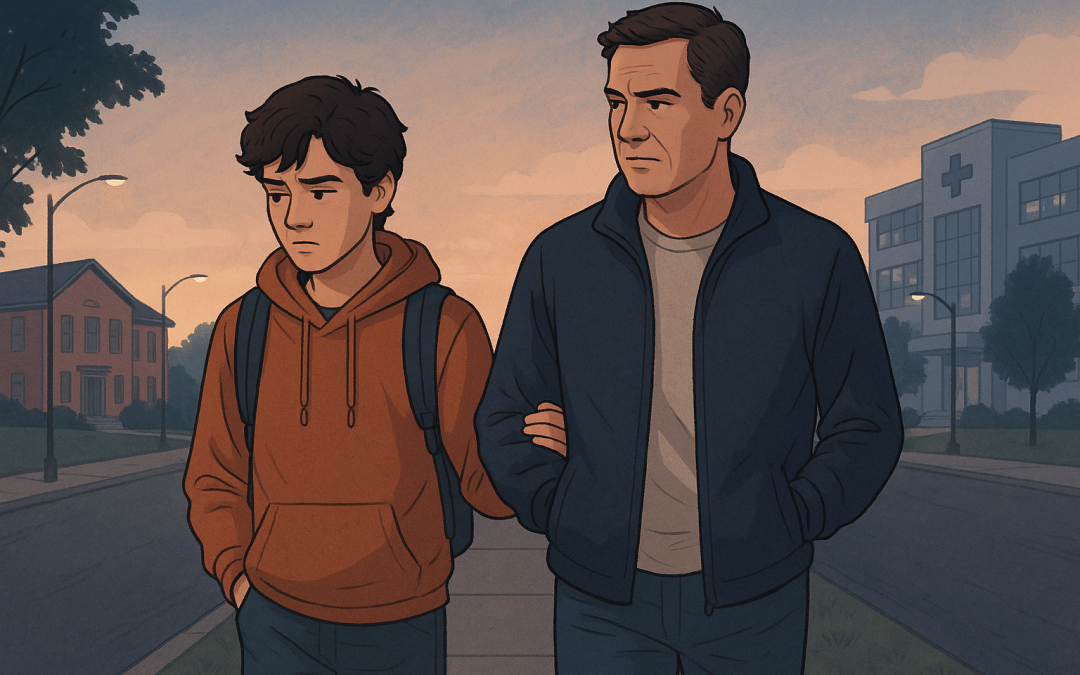
Gareth did what parents do: he sought help when his son, Simon, was hurting. He expected diagnostic curiosity, a slow unspooling of causes — trauma, bullying, autism. Instead he got a pitch.
“Your son says he is a girl,” the pediatrician reported. Gareth said what many would: “Of course I do not affirm that.” The reply? A stark ultimatum framed as care: choose affirmation or your child’s life.
Think about that. When did medicine become a tool for coercion? When did disagreement become a weaponized label: unsafe, abusive, hateful?
Gareth made a choice most institutions would call heartless: he refused to be seduced by the glove of instant validation. He chose the long, ugly work of parenting. He held steady.
Reality is slow. Ideology is fast.
What changed Simon was not a clinic or a trending activist slogan. It was confronting the wound he had been running from. In college, he finally processed an assault that had shaped his identity and choices. The identity that once felt inevitable unraveled when he faced the actual trauma underneath.
No hormone, no surgery, just time and truth. He saw his father’s steadiness for what it was: love that resisted easy answers. That’s not the PR line you’ll hear from institutions invested in routes that bill quicker and scale easier.
Why parental rights matter
parental rights: who steers the child?
This fight is ultimately about who has the duty and authority to raise children. Are parents mere facilitators for the state and corporate networks? Or are they the primary moral guardians?
If a doctor is comfortable threatening a parent’s relationship with their child unless the parent consents to an irreversible medical pathway, then we have to ask: who owns the child’s future? When disagreement becomes grounds for labeling parents abusive, the state’s therapeutic arm is not protecting children — it is appropriating control.
Liberty-minded listeners: this is classical liberalism’s problem. Parental rights are the original check on centralized power. When those rights erode, institutions expand.
Practical truth for parents in the blast zone
If you’re facing this pressure, first: breathe. You are not the crazy one for insisting on caution. You are not bigoted for asking for a thorough assessment. You are not abusing your child for resisting an ideological conveyor belt.
Ask questions. Demand multi-disciplinary evaluations. Insist on trauma screens, developmental history, and time to process. Share your concerns with other adults you trust — spouse, pastor, community elders. Document interactions. Don’t outsource moral responsibility to a clinician whose incentives favor speed and procedure over nuance.
Love that resists
There’s a bitter truth: love sometimes looks like resistance. It means saying no when society screams yes. It means risking accusations of hate to protect a child’s future from irretrievable decisions made in the fog.
That resistance isn’t cruelty. It is courage. It’s parenting.
Conclusion: parental rights as a frontline freedom
Parental rights are not a culture-war slogan. They’re the firewall between children and a conveyor-belt industry that profits from identity instant-gratification. Protecting those rights means protecting the slow work of human flourishing — the messy, inconvenient path that actually grows people.
So ask yourself: would you trade a child’s future for a lie that costs less to administer? Hold the line. Insist on truth. Protect your children from a lobby that mistakes moral convenience for care. Parental rights aren’t negotiable — they’re the first freedom we must defend.

Spun Web Technology SMART SEO