
By Ryan “Dickie” Thompson | Disruptarian.com
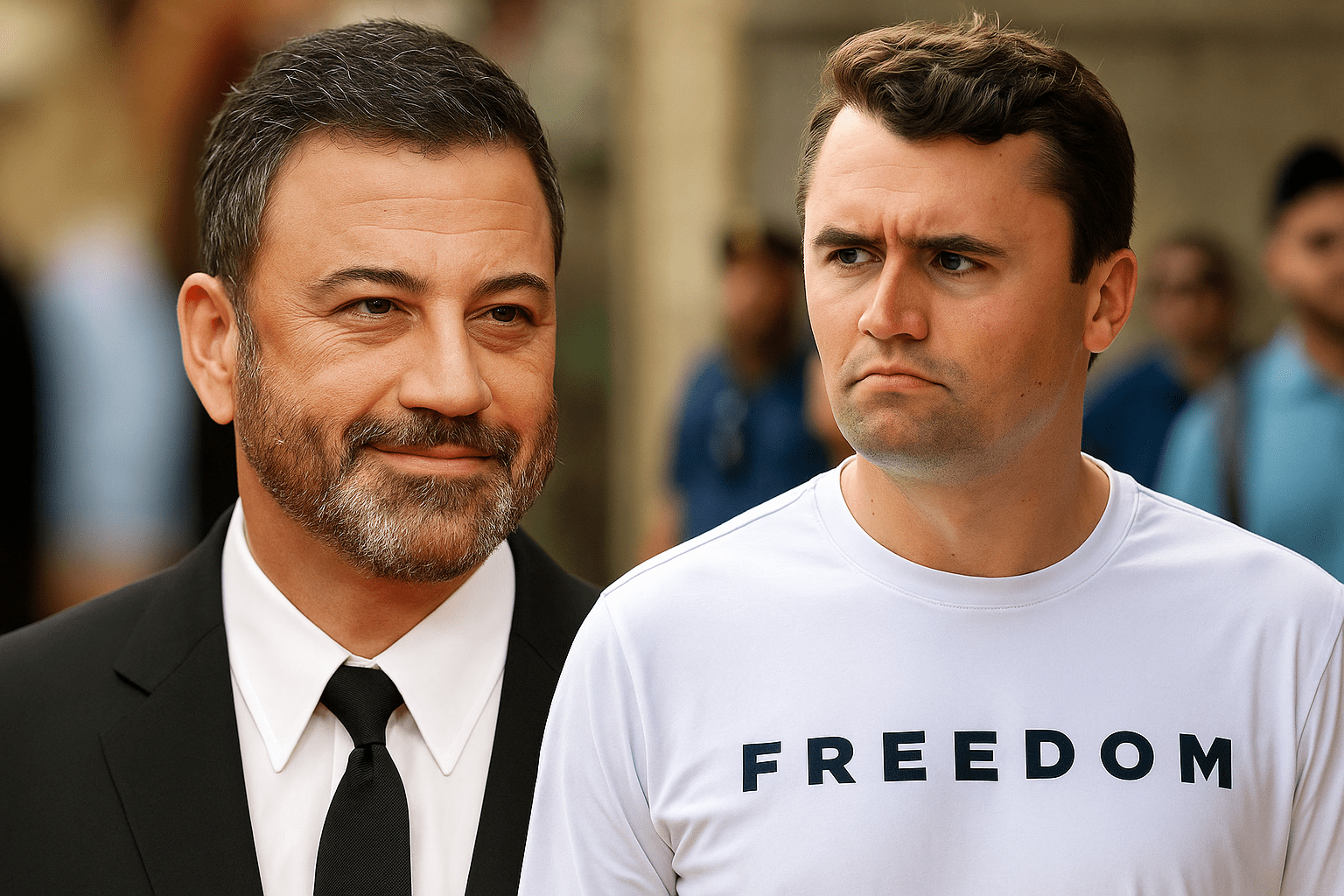
This past week, Sinclair Broadcasting—the country’s largest ABC affiliate group—pulled one of the most blatant bait-and-switch moves I’ve seen in years. They had announced a Charlie Kirk tribute special that was supposed to replace Jimmy Kimmel’s late-night slot on Friday. That’s what they promised. That’s what viewers expected. But when airtime rolled around, Sinclair backed out. Instead of airing the tribute as planned, they pushed it onto YouTube and kept the usual ABC programming intact.
Their statement read:
“Tonight, Sinclair will continue to air ABC network programming as scheduled in the late-night time period. The Charlie Kirk special will instead be available on The National News Desk’s YouTube channel, ensuring viewers can continue to enjoy ABC programming while also providing full access to the special online.”
Translation: They caved.
And this, my friends, is exactly why legacy media has been dead for years.
Why It Matters
This wasn’t just a scheduling adjustment. It was a bait-and-switch. Sinclair used Charlie Kirk’s name and tribute to draw attention, only to hand the late-night slot back to Jimmy Kimmel’s sinking show. If you ever needed proof that network TV is more interested in protecting its tired, political “comedy” acts than actually giving viewers what they want, this was it.
As I said in my comments on Disruptarian:
“This is why legacy media is dead and has been for many years. No one watches this crap any more.”
And the numbers back me up.
The Collapse of Late Night
A network TV research analyst told LateNighter that 2022 was likely the last year most traditional late-night shows turned a profit. Losses are only going to widen in the years ahead.
Advertising data from Guideline paints the picture clearly: ad revenue for late-night shows across major networks has collapsed from $439 million in 2018 to just $220 million in 2024. That’s a near 50% drop in less than a decade.
When Sinclair announced that Charlie Kirk’s tribute would bump Kimmel, that was a smart play. Finally, something people actually wanted to see in a time slot usually dominated by stale, unfunny monologues and political propaganda. But then they buckled, proving they care more about keeping the corporate script intact than serving viewers.
And as I put it bluntly:
“The loss of profits is enough to shut down these late night propaganda pushing DNC syndicates. These shows don’t even write or present comedy any more.”
They don’t. And viewers know it.
The Johnny Carson Standard
If you want a reminder of what late night once was, just listen to Johnny Carson himself. He warned against turning comedy into partisan hackery. You can watch the clip here: Johnny Carson on pushing a political narrative.
Carson entertained. He didn’t preach. He made people laugh. Compare that to Kimmel, Fallon, Colbert, or Meyers—whose shows are basically just extensions of DNC talking points, disguised as jokes.
FCC Threats and the Bigger Picture
Now, I’m not ignoring the bigger picture here. The FCC’s involvement in this mess is dangerous. Reports have surfaced that FCC threats added urgency to Kimmel’s suspension and influenced programming decisions. Rand Paul and Ted Cruz both spoke out about this, and they’re right.
Rand Paul called the threats “absolutely inappropriate,” noting the agency has “no business weighing in on this.” Ted Cruz went further, calling the FCC’s actions “unbelievably dangerous.”
See more here: Reason coverage of FCC involvement.
They’re spot on. Government has no role in deciding who gets airtime. But let’s be real: the FCC wasn’t the only reason for Sinclair’s reversal. Sinclair and Nexstar had already been planning to preempt Kimmel and replace him indefinitely. This wasn’t purely government pressure. It was also corporate cowardice.
Why Viewers Have Moved On
Here’s the truth: people don’t trust legacy media anymore. When they say they’re going to do something and then pull a bait-and-switch, it just drives more people away. They can’t afford to lose more credibility, but they keep lighting it on fire.
Meanwhile, independent creators on platforms like YouTube, Rumble, and podcasts are growing because they keep their word and speak directly to their audience. No middlemen. No cowardly walk-backs. Just truth—or at least transparency.
As I said plainly:
“No one watches this crap any more.”
And that’s not bitterness. That’s reality.
The Takeaway
Legacy TV is on life support. Late-night “comedy” shows are hemorrhaging money, pushing partisan propaganda instead of entertainment. Sinclair’s bait-and-switch over Charlie Kirk’s tribute just shows how desperate they are to cling to the old order. But viewers have already moved on.
Sinclair thought they could have it both ways: advertise bold programming, then retreat to the safety of network status quo. But in doing so, they just proved my point. Legacy media isn’t just dying—it’s already dead.
And you know what? Good riddance.
Sources
- Deadline: Sinclair Moves Charlie Kirk Special to YouTube
- Rolling Stone AU: Sinclair Charlie Kirk Special Coverage
- Fox Business: Jimmy Kimmel’s Decline in Profits
- Reason: FCC’s Involvement in Canceling Jimmy Kimmel
- YouTube: Johnny Carson on Political Narratives

Spun Web Technology SMART SEO