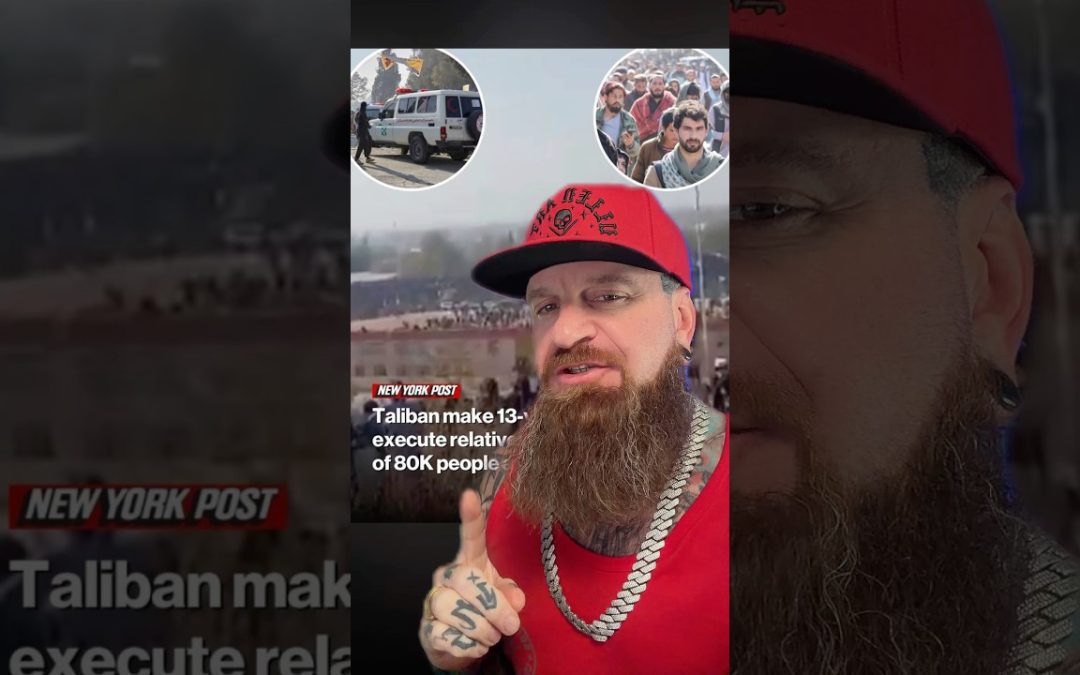
Taliban public execution – Uncensored Rebel Dispatch
The world watched. Or pretended not to.
A crowd gathered. Cameras rolled. A life ended in a public square under the authority of a movement that insists its brutal justice is both pious and necessary. This is not a sanitized news brief. It's a reminder: spectacle is power, and the Taliban public execution is the blunt instrument.
This dispatch pulls no punches. It’s for listeners who distrust polished narratives and prefer the messy, inconvenient truths. We’re not here to mourn the obvious; we’re here to interrogate the theater, the message, and the global complacency that allows such spectacles to continue.
Taliban public execution: spectacle and control
Public executions are theater. They teach obedience.
The Taliban knows this. Strip away the religious posturing and what remains is a political show designed to broadcast two messages at once: we rule, and you will comply.
Why stage an execution in public? Because fear is viral. It spreads faster than slogans. It rewires a population’s risk calculus. You don't need to follow every rule if you imagine the worst possible consequence waiting in the square. The point isn’t justice, for justice can be private and measured. The point is deterrence by trauma.
Look at the optics. Cameras, foreign correspondents, viral video clips. Every public execution becomes international content — and the Taliban exploits that. It turns a domestic act of terror into a PR weapon that signals power both to internal opponents and external actors. The image of a man or woman on a platform is a message to dissidents and a taunt to the world’s human rights bureaucrats: we can do this, and you can do little that will stop us.
Is the global reaction moral outrage? Mostly, yes. But outrage without action is theater-wide applause. Sanctions, condemnations, and solemn resolutions pass across desks in distant capitals. Meanwhile, the machinery of enforcement in the square hums on.
The execution then serves a second purpose: legitimization. For the Taliban, public punishments are a form of law-making by spectacle. They create a narrative: law exists because we enforce it in the most visible way possible. It’s medieval in method, modern in communications.
What about victims? We should not flatten them into statistics. Each execution is a human life extinguished — often without fair trial, often in retaliation for political or personal vendettas dressed as religious rulings. But the personal is subsumed by the public. The body becomes a symbol, a warning, a lesson.
Who benefits? Not the people in the square. Not the neighbors. The winners are the regime and its enforcers. They gain control, fear, and sometimes international leverage. The losers are the local populace — and the fragile principle that law should protect, not terrorize.
A dangerous double standard persists in global discourse. When authoritarian regimes stage political violence internally, the response is measured, bureaucratic, and slow. When similar acts occur under different banners, the speed and fervor of reaction vary wildly depending on geopolitical interests. Why does outrage feel selective? Because it is.
If you’re skeptical of mainstream narratives, you should be asking tougher questions: Are international reactions driven by human rights principles or geopolitical convenience? Do sanctions punish the rulers or the populace who already suffer? Does the media amplify trauma in a way that benefits neither victims nor justice?
The Taliban public execution is also a media test. It forces foreign outlets to choose a frame: condemn, contextualize, or normalize. Too much context becomes an excuse. Too much condemnation becomes theater. We need analysis that refuses both lazy moralizing and facile geopolitical calculations.
Let’s talk about complicity. Global powers trade, negotiate, and sometimes legitimize regimes that commit these acts. Money, arms, and political recognition are currencies of pragmatic policy. When policy favors stability over morality, public executions continue to be an instrument because the instruments are paid for and protected by wider geopolitical strategies.
Is there a way forward? Pressure matters — but it must be targeted and strategic. Support for dissident networks, independent media, and humanitarian aid that bypasses criminal regimes all undermines the spectacle. Sanctions must be smart, not symbolic. And the world must stop treating outrage as an endpoint rather than a beginning.
We must also ask ourselves: how does modern communication change protest and repression? The same networks that spread images of executions also enable clandestine organizing, documentation, and international solidarity. So every public atrocity carries the seeds of resistance, if the global community chooses to amplify courage over complacency.
Conclusion: the Taliban public execution is both cruelty and calculus. It is intended to enforce obedience, cultivate fear, and manufacture legitimacy. It is also a litmus test for our own values. Do we respond with performative outrage, or with targeted pressure that helps dismantle the very system that produces such spectacles?
If you want change, don’t be satisfied with headlines. Demand actions that hit the regime’s levers, not just its PR. Support independent journalism, fund exit routes for the persecuted, and insist that stability never again be an alibi for cruelty.
What will you do when the next video appears? Watch — or act. Which side are you on?

Spun Web Technology SMART SEO