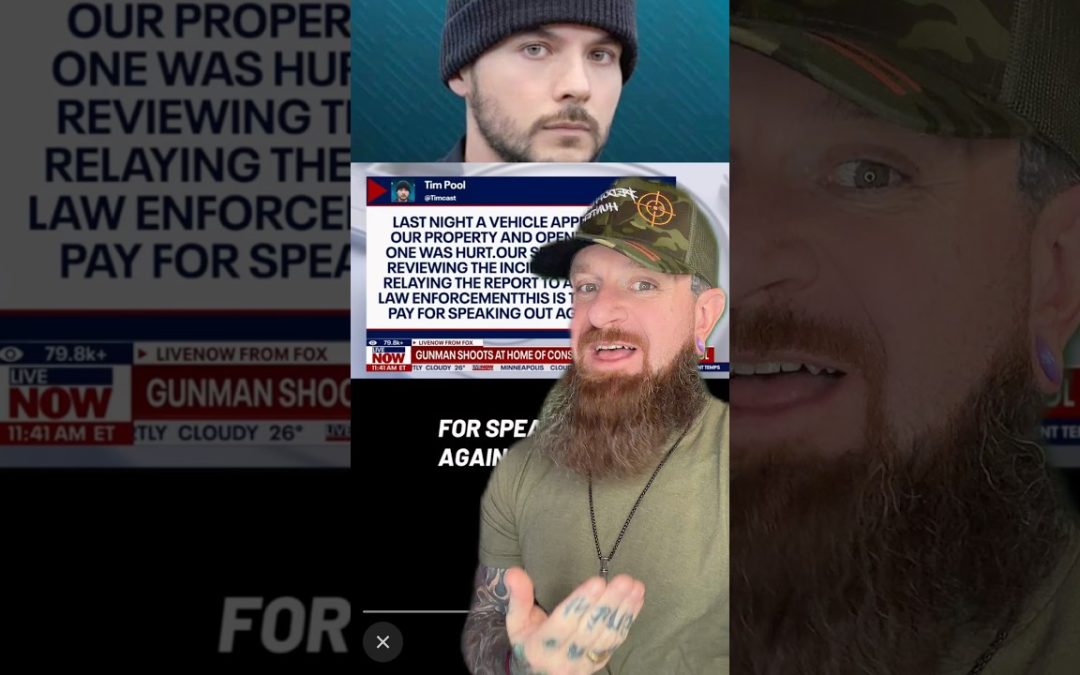
Tim Pool attacked: Uncensored Rebel Dispatch
Tim Pool attacked — who benefits from silencing a dissenter?
Tim Pool gets hit, the story goes viral, pundits posture, and the very machinery designed to shape public opinion revs up. This isn’t just about one man getting roughed up on camera. It’s a symptom. A signal flare. A reminder that when someone steps outside the script, the system reacts — sometimes violently, sometimes with smothering silence.
If you listen to Disruptarian Radio, you know the pattern: independent voices draw fire. Why? Because narrative control is power. Pull the thread on one truth, and the whole manufactured tapestry starts to unravel. That’s why “Tim Pool attacked” should matter to anyone skeptical of centralized narratives and eager for uncensored reporting.
What happened and why you should care
The basic facts are simple: Tim Pool, a streaming journalist who built his audience by questioning mainstream frames, was assaulted. The footage is raw. The aftermath is messier. Police reports, media spin, and social channels all try to map the event into an easy story — petty crime, political theater, or contrived spectacle.
None of those easy labels satisfy the deeper question: why does physical intimidation keep being a tool against disruptive voices? When institutions can’t win on argument, they try to win on suppression. That could be outright violence. Or it could be media ostracism and algorithmic exile.
Let’s not let the conversation end at “who did it.” Ask instead, who stands to gain from muting a skeptic? Who benefits when a streaming journalist — who has no corporate underwriter to appease — suddenly loses reach or credibility? The attack is the headline. The real agenda is the long grind of marginalization.
Narrative control and the weaponization of fear
The mainstream loves a neat moral: violence is bad, justice will prevail. That comfort feeds apathy. It reassures people that systems work. But systems are made of people, and people have incentives. When concentrated power faces decentralized information, the incentives tilt toward containment.
Algorithms, advertiser pressure, and social stigmatization are quieter weapons than a fist, but they are effective. A single assault creates a ripple effect: fewer live streams, fewer on-the-ground investigations, and more self-censorship. That’s the chilling effect, not as theory but as lived reality.
Imagine a world where every disruptive podcastist worried about being followed home, having their content demonetized, or being dragged into legal quagmires. Who would keep asking the questions? Who would broadcast the footage that makes elites uncomfortable? Not many. That’s the point.
The real lesson for independent media
If you care about liberty, the lesson isn’t to rally behind personalities. It’s to fortify structures that protect speech and people. Support decentralization. Support platforms that can’t be nuked by one corporate decision. Back journalists who use open-source tools, distributed backups, and resilient funding models.
And don’t buy the “random act” narrative. Power rarely tolerates organic dissent for long. When an independent journalist gets attacked, treat it like a test: does your community respond, or does it shrug and move on? Do you double down on independent verification and broader distribution, or do you let the story fizzle under corporate coverage?
How audiences can act — practical steps
You don’t have to be an insider to push back. Here are practical moves that matter:
– Share primary footage widely. Algorithms favor engagement; make them work for truth.
– Support independent creators financially — subscriptions, one-time tips, crypto donations. Financial independence is free speech insurance.
– Learn basic digital security: encrypted backups, two-factor authentication, decentralized hosting options.
– Demand accountability. Not just arrests and prosecution, but transparency from platforms about how they handle content relating to assaults and harassment.
These are small acts individually. Together, they change the calculus for would-be suppressors.
Tim Pool attacked: a warning, not a defeat
Let’s be blunt. When someone like Tim Pool is attacked, it’s not an isolated event. It’s a warning shot. It’s meant to recalibrate the cost of speaking up. If your first instinct is to wait for official narratives to confirm your biases, you’ve already ceded ground. If your instinct is to dig, distribute, and defend decentralized speech — congratulations. You’re part of the antidote.
This episode should provoke questions, not comfort. Who profits when a dissenter is sidelined? How do we harden independent media against both blunt and subtle attacks? And what are you willing to do to keep the airwaves and livestreams honest?
The truth is messy. It’s unruly. It needs defenders. If the mainstream wants to treat a physical assault as a headline and move on, that’s their prerogative. But if you’re listening to Disruptarian Radio, you’re not the kind to accept tidy narratives.
Tim Pool attacked — and that attack is a call to action. Are you going to respond, or will you let the next microphone go quiet?

Spun Web Technology SMART SEO