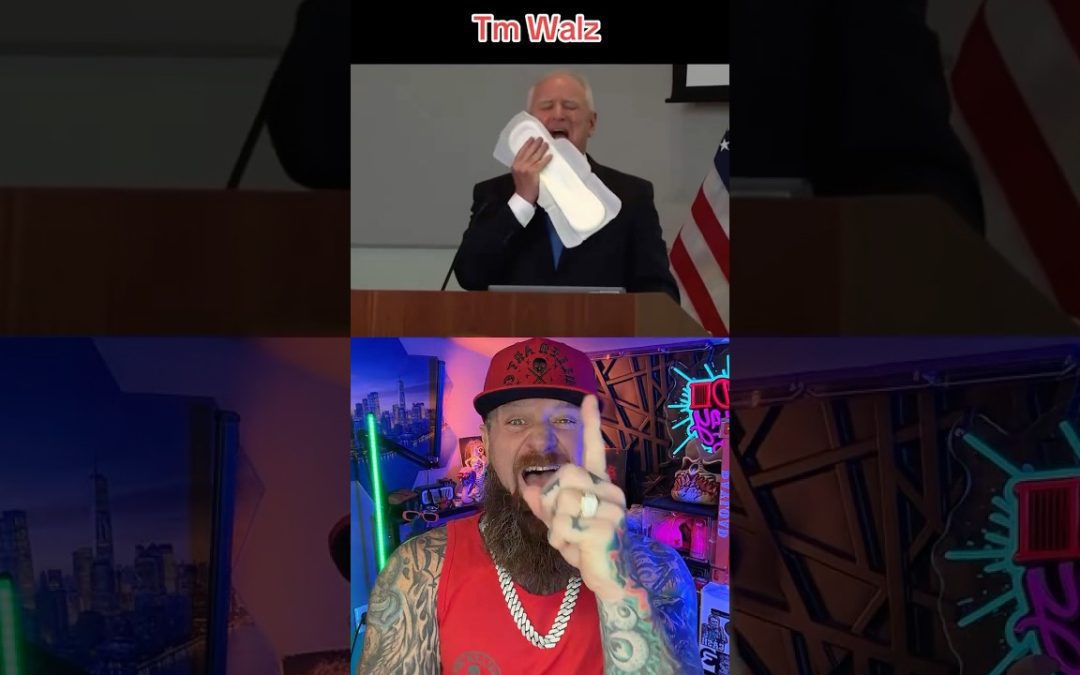
Tim Walz is sad: Uncensored Rebel Brief
Tim Walz is sad
You saw the headlines, you heard the pundits sigh in solidarity, and now here we are — dissecting a political mood like it’s breaking news. Tim Walz is sad. That’s not a clinical diagnosis. It’s a political portrait: a governor caught between lockdown fatigue, economic pressures, and a public that’s growing increasingly skeptical of the “trust us” narrative from both parties.
This is a Disruptarian take — blunt, skeptical, and allergic to official spin. Let’s unpack why the guy in the governor’s mansion looks like the punchline of a Midwestern pity party and why that matters.
Why does it matter that Tim Walz is sad?
First, emotions reveal strategy. Politicians project confidence when they want obedience; they show sorrow when they need sympathy. Walz’s posture matters because it’s a tactic. When the state faces protests, economic strain, and furious small-business owners, showcasing sadness is a softer form of control. It says: “I’m human, don’t blame me.” But you and I both know governing is about choices, not feelings.
Second, sadness can be a mask for indecision. In a moment when clarity is required — clear rules, transparent data, accountability — we’re often handed ambiguous policies wrapped in empathy. That’s politically convenient. Empathy buys time. While Minnesotans wrestle with job losses, school disruptions, and civil unrest, the decision-makers repackage uncertainty as compassion.
Isn’t everyone under pressure? Sure. But we live in a world where pressure is the political currency. The real question: who benefits from the emotion? When governors cry, corporations shift responsibility. When officials plead with citizens to “do the right thing,” they often avoid the harder political choices: reopening with real accountability, defending civil liberties, or being honest about trade-offs.
The optics and the outcomes
Let’s be honest. The optics of a sad governor are more useful than the outcomes. The narrative of a sorrowful leader distracts from measurable performance. Health metrics? Mixed. Economic impact? Severe in places. Accountability? Patchy. People want to know what worked, what failed, and who paid the price. Too often, they get heartfelt speeches and policy vagueness.
Where is the independent oversight? Where are clear metrics that truly matter — excess mortality, small-business survival rates, mental health fallout? Instead, we get sliding scales, emergency powers extended like velvet ropes, and an industry of consultants profiteering from crisis management. Sadness is a potent PR lever in that environment.
Pushback and the rise of skepticism
Of course there’s pushback. Citizens are tired. Protesters populate the streets. Alternative media outlets and independent voices — the same ones you tune into on Disruptarian Radio — are calling out contradictions. That’s the point: decentralized scrutiny forces a different calculus on power.
Skeptics see another narrative: governors like Walz made sweeping, often unprecedented decisions with limited legislative oversight. Some of those decisions saved lives. Some arguably caused more harm than good. The truth isn’t a single headline; it’s a messy ledger of trade-offs. Calling out a politician’s sadness isn’t mockery. It’s a demand for accountability: show your work.
What we should be asking
– Which data drove your toughest choices?
– Were alternatives considered and debated?
– Who profited from emergency contracts?
– What are the long-term costs to civil liberties and small businesses?
Those aren’t petty questions. They’re the foundation of a free society that expects something more than performative sorrow from its leaders.
A call for radical transparency
If the public mood is shifting, action must follow. We don’t need more heart-tugging speeches. We need transparent reports, independent audits of emergency spending, and clear sunset clauses for extraordinary powers. We need to measure not only infection curves but collateral damage — unemployment, education loss, addiction rates.
Imagine a government that responded to public skepticism with openness rather than sympathy. Imagine policies debated in daylight, not decided in closed rooms. That’s not wild; it’s the baseline of accountable governance.
Don’t be fooled by the performance
Tim Walz is sad — and you should take that as a cue to pay attention, not to buy the narrative wholesale. Emotion from those in power is a strategic instrument. It can be genuine, sure. But it’s also useful. Don’t let a governor’s demeanor substitute for data.
We live in a moment where trust is the most contested commodity. Establishments expect deference. Disruptarians demand evidence. That’s the gulf you see reflected in those somber press conferences and earnest op-eds.
Final thoughts: what to do next
Stay skeptical. Ask for metrics. Push for audits. Support independent media that won’t accept the official emotional shorthand as a substitute for proof. Demand that temporary powers come with timelines and oversight. And if a politician wants your empathy, make them earn it with transparency.
Tim Walz is sad — and that sadness is a headline we can use to pry open the black boxes of power. If you care about liberty, accountability, and real outcomes, don’t be comforted by performance. Be provoked by it.

Spun Web Technology SMART SEO