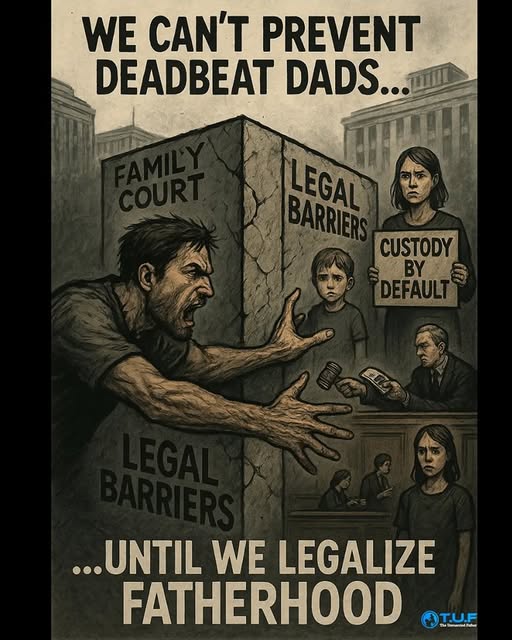
We often blame men for being “deadbeat dads,” but rarely do we ask why so many are locked out of their children’s lives by default. Until we legalize fatherhood—by guaranteeing equal parental rights—we’re not solving the problem; we’re institutionalizing it. This post challenges the system that punishes men for wanting to parent.
More men than ever are staying single—and not always by choice. In this Disruptarian breakdown, Ryan “Dickie” Thompson shares five essential lessons single moms must teach their sons to prepare them for adulthood in a world of shifting relationships, legal landmines, and cultural confusion.
A powerful Dr. Phil episode exposes the dangers of parental secrecy policies in public schools. This article makes the libertarian case for defending parental rights, challenging state overreach, and demanding school transparency. Children belong to families—not to bureaucrats.
A quiet Colorado father takes a stand against the state-sanctioned erasure of parental rights at a Jefferson County school board meeting. In true Punk Rock Libertarian style, this post exposes how public schools are pushing ideology over family autonomy.
Broadcasting from Cebu City, Philippines, Ryan “Dickie” Thompson reflects on life after retirement and why he’s now speaking out louder than ever. From his early days advocating cannabis reform to today’s cultural battles over gender ideology, censorship, and parental rights, Ryan exposes the media’s one-sided narratives and explains why the fight for liberty has only just begun. This post dives into taboo territory with unapologetic honesty and a punk rock libertarian edge.
Disney executive Karey Burke claimed her 5- and 7-year-old children are “trans” and “pansexual”—but what are the odds? In this deep dive, Ryan Thompson explores the improbable statistics, the cultural capture of childhood, and how even the U.S. government is subsidizing Disney’s ideological push through bulk Disney+ subscriptions. What does it mean when entertainment giants prioritize activism over storytelling—and why are kids the front line in this cultural war?