Mama Mama – Who’s My Daddy? is a dark, disruptive Broadway-style musical about secrets, identity, and the long shadow of past choices. Set on a sun-soaked island, the story follows a mother who ran from her mistakes and a daughter forced to confront them—without easy answers, fairy tales, or neat resolutions.
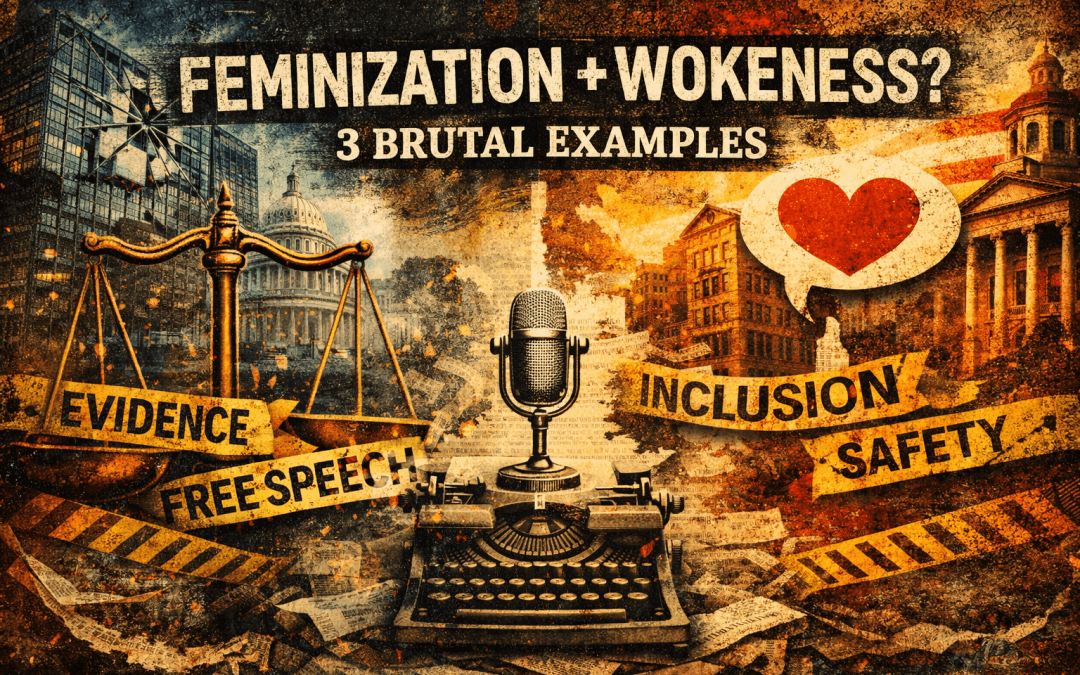
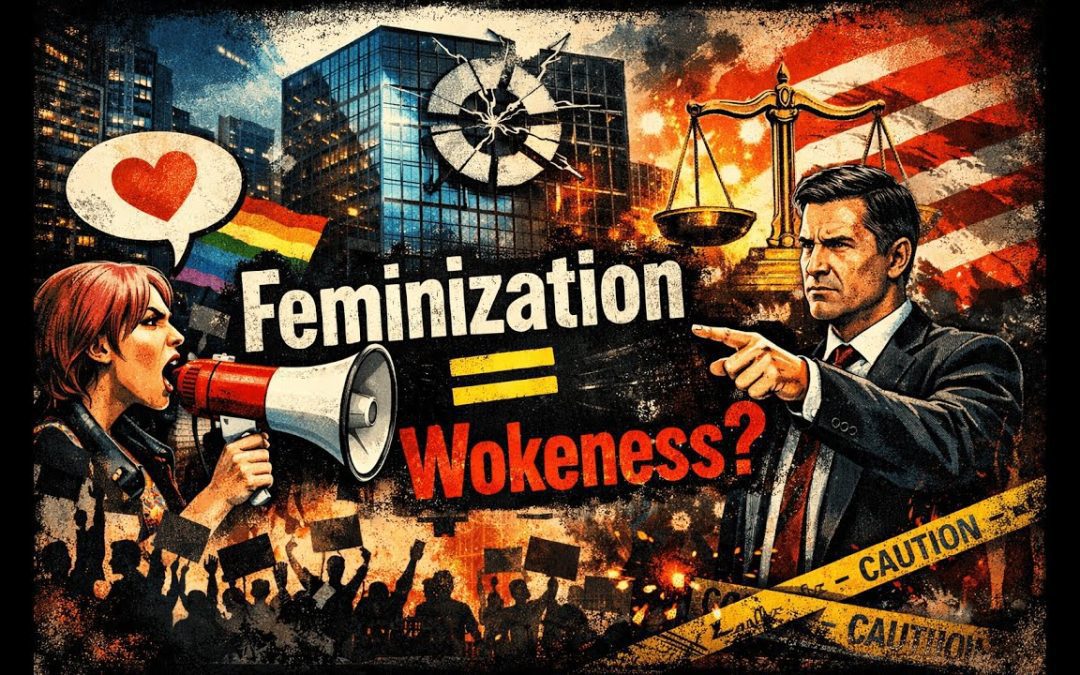
Feminization and wokeness might rise together inside institutions as priorities shift toward empathy, safety, and inclusion. Here are 3 case studies and what they mean.
What if “wokeness” did not come out of nowhere, and it is not just a political fad, but a predictable shift in how institutions think and behave?
In this clip, I lay out a blunt hypothesis: wokeness tracks demographic feminization. As more women entered major institutions starting in the 1970s, the internal priorities shifted over time toward traits typically coded as “feminine,” like empathy over rationality, safety over risk, and cohesion over hierarchy. That does not mean men are always “rational” or women are always “emotional.” Individuals vary. The claim is about broad institutional incentives and cultural drift when one set of values starts dominating the room.
We walk through:
Free speech vs inclusive society: survey splits that show different priorities between men and women on speech protections versus social inclusion.
James Damore and the Google memo: why the backlash centered less on factual claims and more on perceived emotional impact.
The Kavanaugh hearings: the clash between rules of evidence and emotional credibility, and why that divide matters for due process.
If you care about free speech, fairness, and how power actually operates inside institutions, this one is worth hearing, even if you disagree.
Drop your take in the comments: Is “wokeness” mainly politics, or is it a deeper cultural reorientation?
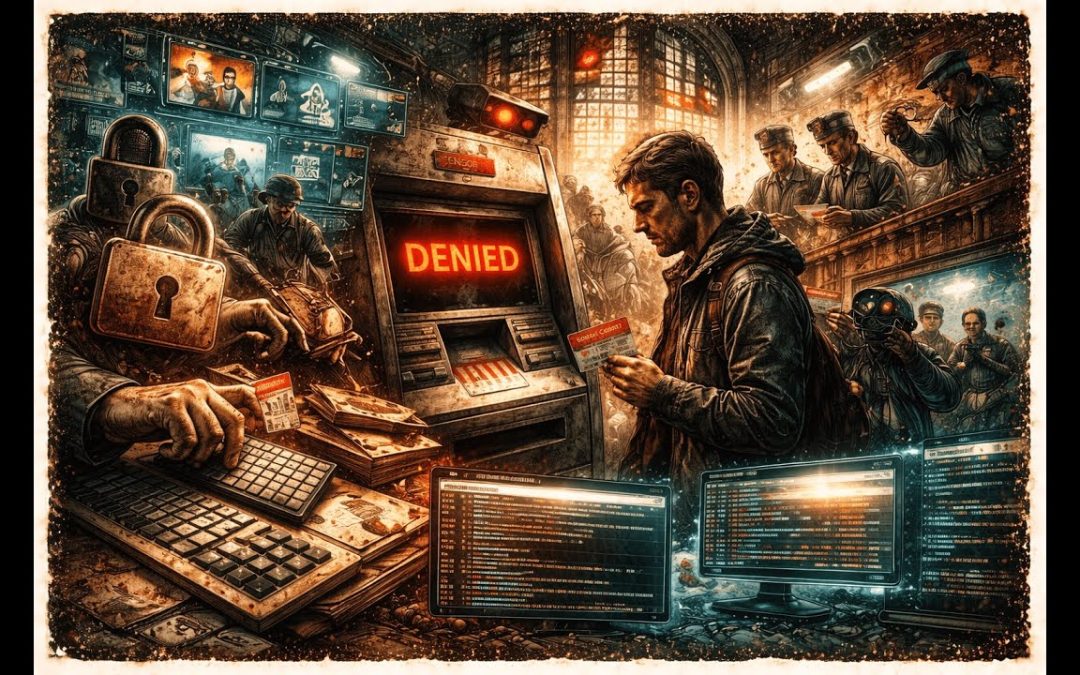
I used to think censorship was a guy in a suit showing up with a stamp. Now it’s a “Terms of Service” update, a silent algorithm tweak, and your whole reach evaporates like it never existed.
In this video, I break down how censorship actually works in the real world: private platform censorship, shadowbanning, government pressure on Big Tech, the Obama era I R S targeting scandal, recent controversy around F B I intelligence products involving religious communities, and why all of this points toward an American flavored social credit system where the screen just says “Denied.”
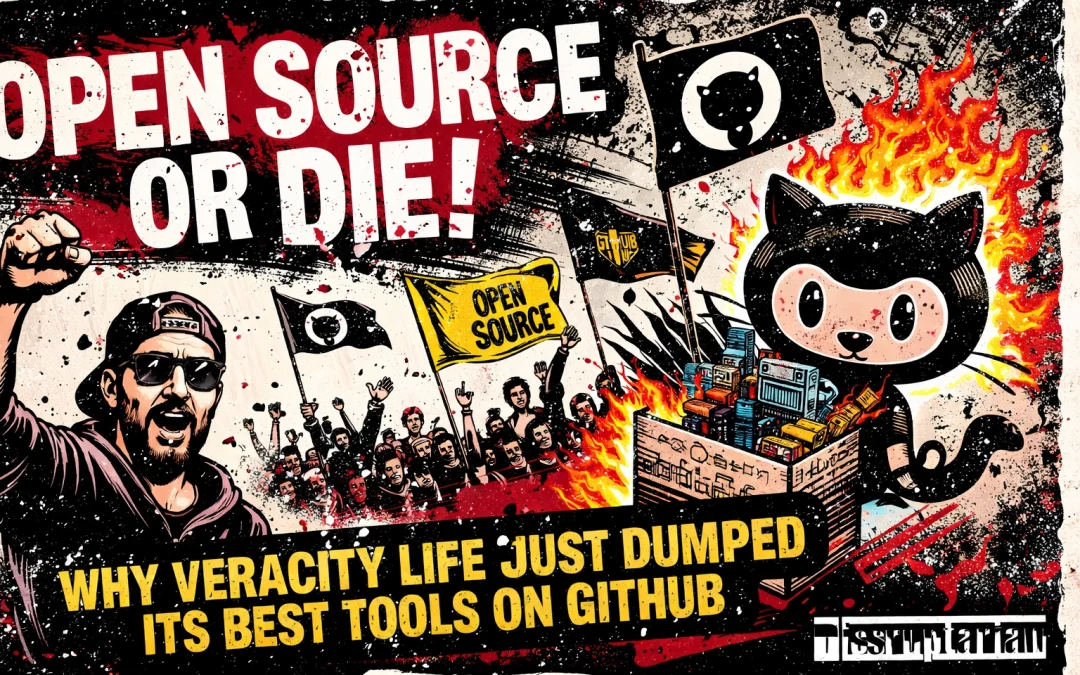
Then I show what I’m doing about it. Over the past year I’ve been building and releasing free, open source tools through Veracity Life to help creators and communities protect their content, archive their work, and build independence outside the walled gardens.
GitHub: https://github.com/veracitylife
If you’re tired of censorship, vendor lock in, and begging platforms for mercy, this is where real control begins.
I’m releasing open source anti censorship tools built for people who refuse to be managed, archived, throttled, or memory-holed. Fact-check inside WordPress, auto-archive to the Wayback Machine, automate your workflow, and build indie radio infrastructure you actually control.
Tired of gatekeepers controlling your content? Veracity Life is fighting back by open-sourcing their best truth verification and anti-censorship tools.
This article challenges the mainstream narrative that affirmation alone reduces suicide among transgender youth. By comparing U.S. and Philippines suicide rates, and analyzing medical evidence, it argues that community, connection, and mental health treatment may play a far more critical role than symbolic affirmation.
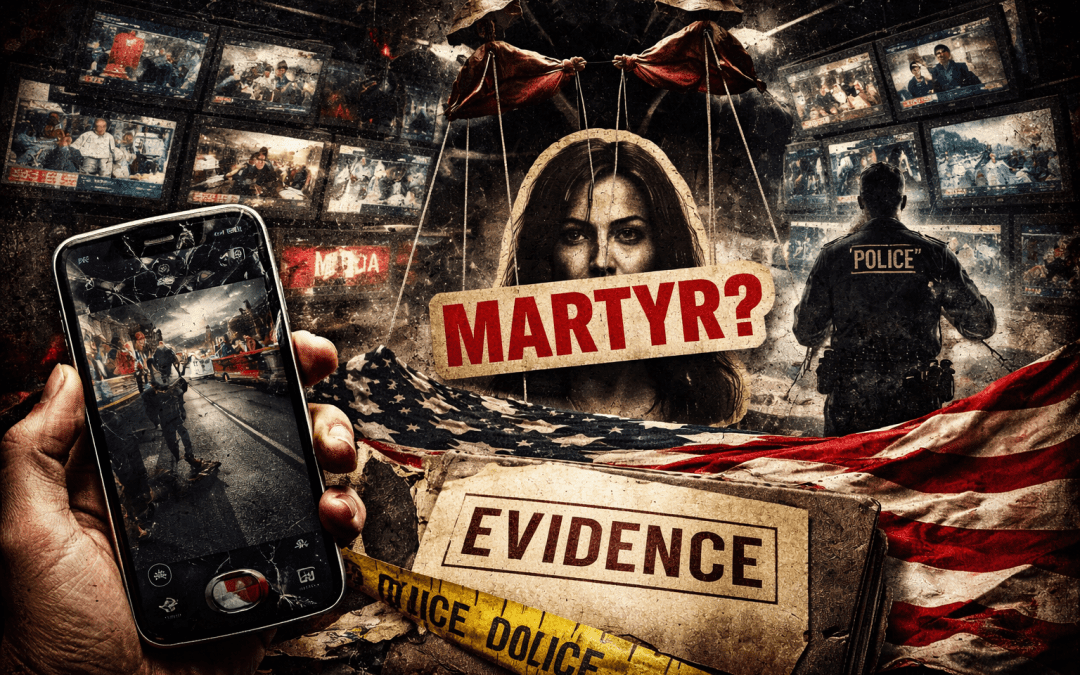
Fake hate crimes don’t work because they’re clever. They work because most people won’t wait for evidence. Renee Good and George Floyd prove how the script gets sold.
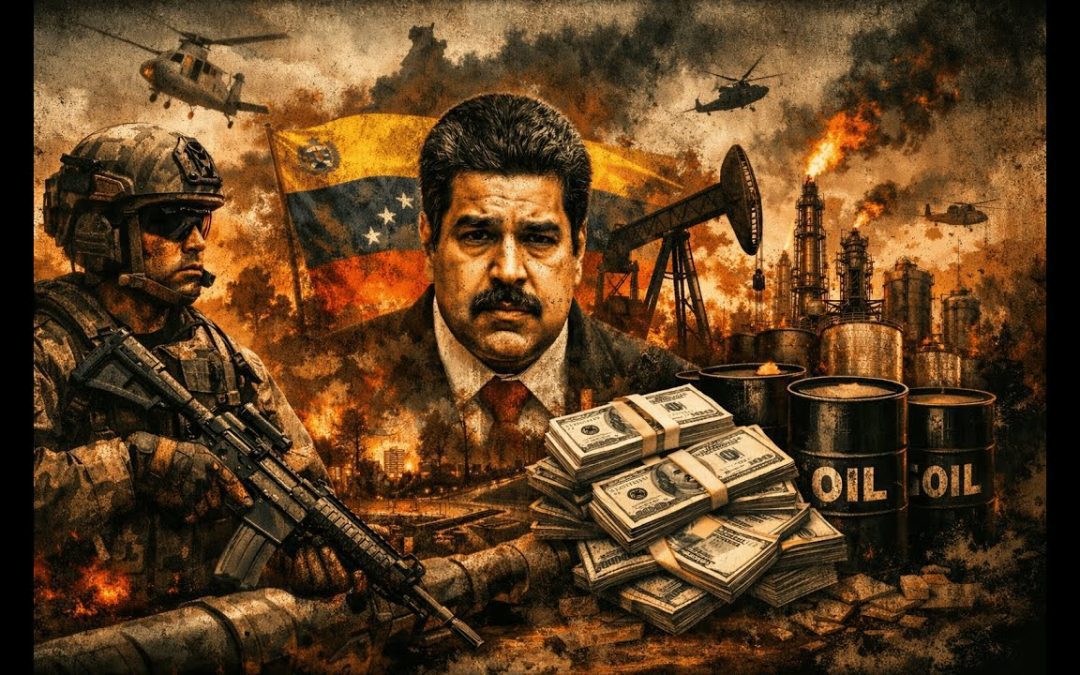
If you bought the “anti-drug bust” storyline, I get it. Narco-terror. Cartels. Bad guys. Clean headline.
But when Washington moves with speed and scale, the press release is usually just the wrapping paper. The real motive hides in the boring stuff: oil leverage, sanctions, settlement rails, and the U.S. dollar’s role as the global trading chip.
In this video I lay out why Venezuela looks less like a moral crusade and more like a strategic play. We talk oil reserves, the petrodollar system, why sanctions create workarounds, and why crypto settlement (including USDT-style payment routes) makes the empire nervous. Then we zoom out to China, the digital yuan, and why de-dollarization is the fight underneath the fight.
Blog post referenced: https://disruptarian.com/blog/us-strike-in-venezuela-9-brutal-reasons-it-was-about-oil-and-dollars/
This is commentary, not investment advice. If you disagree, bring receipts.